

“We found that there is going to be a significant proportion of growth in the urology work force related to the number of women in urology, which is really exciting,” says Kate H. Kraft, MD.
“We found that there is going to be a significant proportion of growth in the urology work force related to the number of women in urology, which is really exciting,” says Kate H. Kraft, MD.
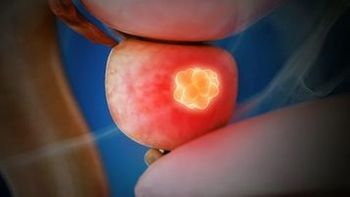
The PARP inhibitors olaparib and rucaparib are approved by the FDA for prostate cancer and other PARP agents are moving through the pipeline.

Ellimoottil also discusses the status of his own practice with regards to in-person vs telemedicine visits.

“Speak out. speak out. If you're a physician who's going through a hard time, I can promise you you're not alone,” says Raj S. Pruthi, MD, MHA, FACS.

“I really fell in love with [urology] from the get go,” Kraft says.
“In this study, we show that AI can be used to speed up the time-consuming step of outlining the prostate that's required for targeted prostate biopsy,” says Geoffrey Sonn, MD.

The risk assessment tool helps determine whether a prostate biopsy is necessary when PSA screening is ambiguous.

“In my opinion, burnout has nothing to do with weakness or laziness or incompetence,” says Raj S. Pruthi, MD, MHA, FACS.

“I think the take home message is that when you're interviewing applicants in your program, take a step back and think about the questions you want to ask,” says Stephanie J. Kielb, MD.

Kretschmer highlights how ongoing research is aiming to optimize use of this noninvasive, urine-based genomic test.

“Suicide is a disproportionate cause of mortality in physicians,” Pruthi says.
The ExoDx Prostate test helps physicians determine whether a prostate biopsy is necessary when PSA screening is ambiguous.

In terms of physician burnout, “The pandemic has only made a bad situation worse,” says Raj S. Pruthi, MD, MHA, FACS.

Frontline immune checkpoint inhibitor therapy may improve overall survival in this setting.

Around the Practice: Metastatic Castrate Resistant Prostate Cancer
Around the Practice: High-Risk Renal Cell Carcinoma
Hamilton discusses findings from a recent study published in European Urology.

Loeb and Stork offer pointers for beginners and current users alike.

“I think one of the issues that we face as physicians…is during training, long hours and a lack of control over our schedule indoctrinates surgeons with habits that may be counterproductive to achieving life balance after entering practice,” says Raj S. Pruthi, MD, MHA FACS.
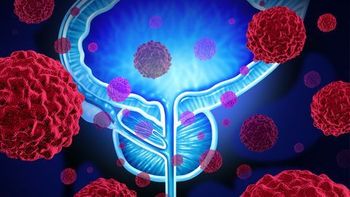
Galsky highlights final OS data from the IMvigor130 trial, along with an exploratory analysis examining outcomes by type of chemotherapy used.

Both medical professionals bring experience and expertise that will elevate the future work of the publication.

Jason Zhu, MD, discusses factors he considers when choosing treatment for patients with lymph node–positive prostate cancer after prostatectomy.

Attorneys Acacia Brush Perko, Esq, and Kenton H. Steele, Esq, provide an overview of malpractice claims.
The study encompassed the prostatic urethral lift (UroLift), water vapor thermal therapy (Rezum), and temporary implantable nitinol device (iTIND).
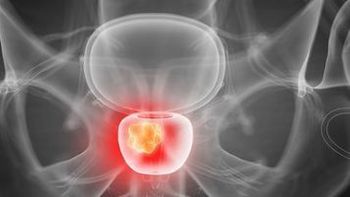
Ward's analysis includes a discussion of adjuvant radiotherapy versus early salvage radiotherapy.

“This paper shows that our efforts to reduce… opioid exposure in the postoperative setting is reducing new persistent opioid use,” says Matthew S. Lee, MD.

Michael Devitt, MD, discusses the choice between erdafitinib and enfortumab vedotin in previously treated urothelial carcinoma.

“This test requires just one millimeter of cancer on a biopsy on five consecutive slides,” says Eric A. Klein, MD.

Dr. Ronald S. Swerdloff says Jatenzo showed “no evidence of liver toxicity.”
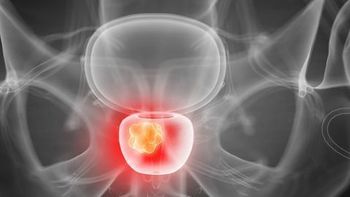
Tagawa draws specific attention to the targeted radioligand therapy 177Lu-PSMA-617.