
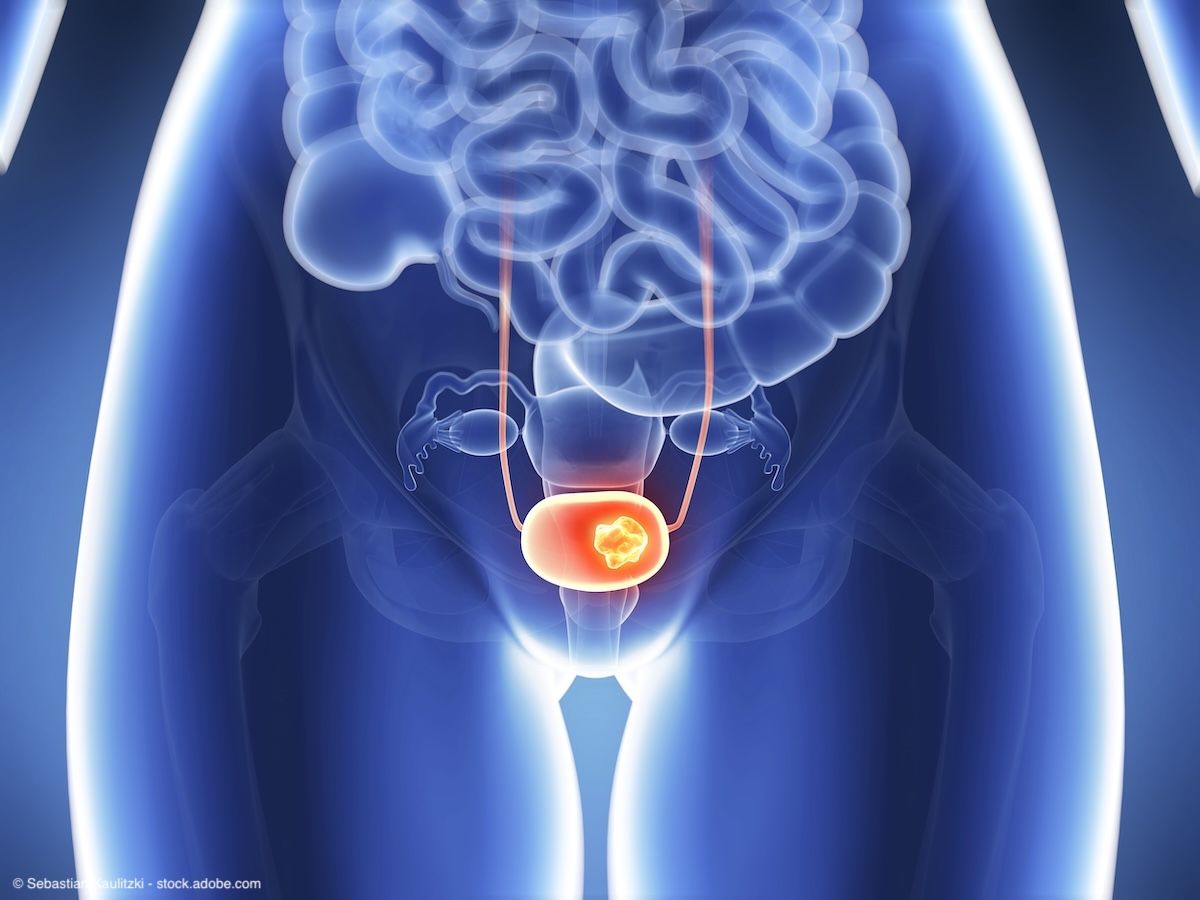




Bladder Cancer
Latest News
Advertisement
Latest Videos









CME Content


Advertisement
More News

"They are risking their own lives for their job, so it's the part of the whole community to do our best to try to keep them safe," says Sima P. Porten, MD, MPH.

"We must lobby to maintain our current funding levels and push for increased support to continue driving progress in cancer care," says Michael S. Cookson, MD, MMHC, FACS.

“If it is as efficacious as it looks, we will have more patients who are getting effective standard of care treatment, not needing to go on to further treatment, not having recurrences, [having decreased] morbidity from repeated resections, and saving bladders in the process," says Eugene B. Cone, MD.

A recap of the FDA submissions and regulatory decisions in urology from March 2025.

The European Commission must issue a decision on the application on or by June 2, 2025.
"I'm all for this great effort by ImmunityBio to provide us with an alternative option,” says Suzanne B. Merrill, MD, FACS.

"Viral vectors are basically a blueprint of the virus that's used to carry the DNA payload into the target tissue, but the problem is they have some issues," says Katherine Chan, MD, MPH.
The approval is supported by results from the phase 3 NIAGARA trial.

John A. Taylor, III, MD, MS, discussed the new wealth of options in non–muscle invasive bladder cancer, specifically highlighting detalimogene voraplasmid.

“One important aspect to get across…is that access to this EAP is pretty easy," says Suzanne B. Merrill, MD, FACS.
"The striking CR rates observed in these early cohorts are highly encouraging, particularly for BCG-unresponsive NMIBC patients who currently have limited treatment options," says Paul D. Anderson, MBBS, FRACS.
"Provided that we will confirm the efficacy data long-term, there is an opportunity to spare, de-escalate a bit, the treatment in select patients, and to expose the patient with inferior risk of developing severe [adverse] effects," says Andrea Necchi, MD.

In patients with intermediate-risk disease, 4 of 5 patients demonstrated a complete response.
“High risk, non–muscle invasive bladder cancer carries a significant risk of recurrence and progression. This emphasizes the need for careful patient selection, especially when we are considering bladder-sparing approaches," says Neeraja Tillu, MD.

"Now with the new translational data indicating that post-treatment close contact precautions are unnecessary, I am confident that cretostimogene will represent a breakthrough in bladder cancer treatment, if approved by the FDA," says Trinity J. Bivalacqua, MD, PhD.

"There is evidence for a direct link between the exposures you get by doing your job as a firefighter and then developing cancer down the road," says Sima P. Porten, MD, MPH.
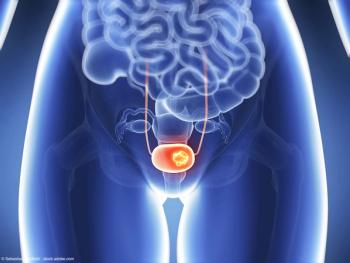
“The addition of the durvalumab did not make treatment more morbid than chemotherapy alone, and it didn't change or increase the surgical complications you saw in the ward," says James W.F. Catto, MBChB, PhD, FRCS.
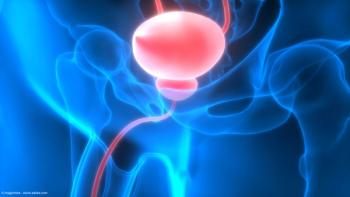
"The implication for real-world decision-making is that this drug appears to hold up to what was seen in the trial," says Mark D. Tyson II, MD, MPH.
"These data support current AUA/SUO guidelines recommending BLC usage in patients with NMIBC to increase detection and decrease recurrence," says Stephen B. Williams, MD, MBA, MS, FACS, FACHE.

“[There’s] a lot going on in bladder cancer in the non–muscle invasive, muscle-invasive space, as well as in some of the biomarkers, which is exciting and will definitely have a huge impact on the management of your patients," says Jason M. Hafron, MD, CMO.

The trial is assessing the safety and tolerability of adaptive radiation therapy with concurrent sacituzumab govitecan in patients with MIBC.

"This certainly does feel like the beginning of the light at the end of the tunnel coming out of the BCG shortage," says Chad A. Reichard, MD.
“Identification of significant predictors [of upstaging] has improved our pre-op counseling," says Neeraja Tillu, MD.
"Ultimately, there is no 'right choice' when it comes to urinary diversion," writes Anne K. Schuckman, MD.
There are also 60 sites in the process of launching the EAP.
Advertisement
Advertisement
Trending on Urology Times
1
AI-generated profiles impersonate female urologists to market ED products online
2
Alternative BCG strains may help address ongoing supply challenges in NMIBC
3
Pearls & Perspectives: Sexual Health and Intimacy in Midlife, With Karen Bigman, MBA
4
Doublet or triplet? Urologists weighs in on mCSPC options
5