



"This report brings to light an often-suspected but previously undocumented clinical issue in great and alarming detail," says Badar M. Mian, MD.
"This report brings to light an often-suspected but previously undocumented clinical issue in great and alarming detail," says Badar M. Mian, MD.

Other products in this round-up include treatments for advanced renal cell carcinoma, metastatic urothelial cancer, and more.

A significant proportion of men who progress radiologically while on the androgen receptor inhibitor enzalutamide (XTANDI) do not meet standard criteria for PSA progression, reported Fred Saad, MD.

"Deciding what care is appropriate is already extraordinarily difficult but will be a growing problem for the next generation of physicians and society," writes Peter C. Albertsen, MD.

Integration of tumor genetic testing and genomically-informed therapies into clinical practice for patients with advanced prostate cancer are featured in updated National Comprehensive Cancer Network guidelines on the management of prostate cancer (version 2.2019).

More research is needed to determine the value of using magnetic resonance imaging to predict pathology outcomes following radical prostatectomy, according to a study presented at the AUA annual meeting in Chicago.

Alterations in DNA damage response genes, excluding ATM, correlate with improved outcomes in relapsed/advanced urothelial cancer.

As urologists maneuver through the third shortage of bacillus Calmette-Guérin during the past decade, there is a sense of urgency to find short- and long-term alternative treatments to the only FDA-approved BCG strain as a therapeutic agent for nonmuscle-invasive bladder cancer.

Pyruvate kinase, a primary driver of tumor glycolysis, is promising both as a biomarker of bladder cancer and as a drug target, researchers reported at the 2018 Society of Urologic Oncology annual meeting in Phoenix.

"In this study, even if only the higher risk subgroup (unfavorable PSMs and advanced stage/grade) were to receive adjuvant treatment, nearly 75% of patients may potentially be overtreated," writes Badar M. Mian, MD.

New data suggest it may be possible to use computer-augmented cystoscopy to aid in diagnostic decision-making and improve the diagnostic yield of papillary bladder cancers.

"Therapeutic layering... is now becoming commonplace in the initial treatment of newly diagnosed metastatic prostate cancer," writes Leonard G. Gomella, MD.

"Despite improvements in the diagnostic markers and imaging, overdiagnosis and particularly overtreatment continue to pose a challenge for the urologic community," writes Badar M. Mian, MD.

About one in five patients with familial urothelial carcinoma have pathogenic germline variants, according to an analysis of 79 such patients using germline multigene panel testing.

"There’s mounting evidence that the risk for dementia increases with prolonged use. While impacting only a minority of patients, I think the risk is real," says one urologist.

Agents for overactive bladder and congenital adrenal hyperplasia are among the other products discussed.

"Bacillus Calmette-Guerin (BCG) intravesical immunotherapy is the most effective treatment for management of our patients with non-muscle invasive bladder cancer. What do we do without it, and how do we explain the current worldwide BCG shortage to our patients?" writes Adele M. Caruso, DNP, CRNP.
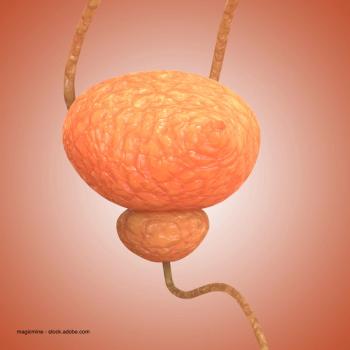
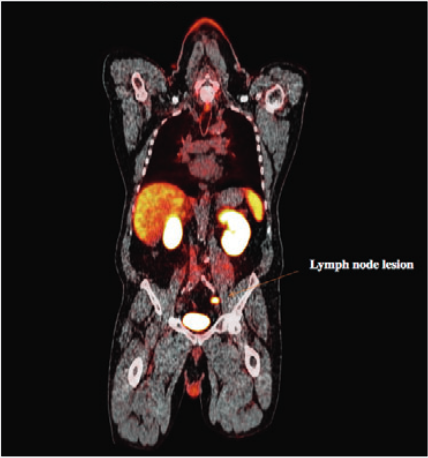
Routine use of positron emission tomography/computed tomography prior to radical cystectomy is unlikely to benefit clinically node-negative patients, results of a recent investigation suggest.

Nearly 90% of men with hormone-sensitive prostate cancer (HSPC) who initiate androgen deprivation therapy (ADT) have at least one bone metabolism biomarker that is elevated.

Inflammatory bowel disease increases the risk of any and clinically significant prostate cancer, according to an examination of data from a large, single medical network.

"Patients with favorable-risk disease who have a DNA repair mutation should be counseled that there is a significantly increased risk of reclassification with AS," writes Stacy Loeb, MD, MSc.
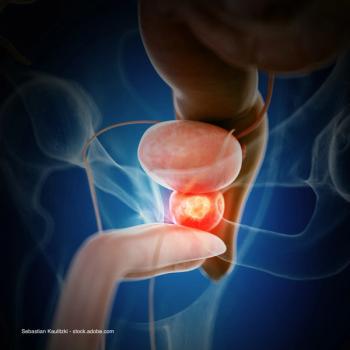
Men with prostate cancer who are carriers of germline pathogenic mutations in the DNA repair genes BRCA1/2 and ATM are at increased risk for grade reclassification during active surveillance, according to research reported by H. Ballentine Carter, MD, at the 2018 AUA annual meeting in San Francisco.

This article explores the current and potential future use of immunotherapy in prostate, kidney, and bladder cancer.

Cabozantinib (Cabometyx) demonstrated consistent improvement in progression-free survival and overall survival (OS) over everolimus (Afinitor) and sunitinib (Sutent), irrespective of PD-L1 status, across two randomized controlled clinical trials in patients with metastatic clear cell renal cell carcinoma.

Compared to an open approach, minimally invasive radical cystectomy was associated with a near 2-day shorter hospital stay in bladder cancer patients treated at diverse institutions across the United States, according to authors of a recent retrospective analysis of Medicare claims.