





Next-Generation Imaging
Latest News
Advertisement
Latest Videos






CME Content



Advertisement
More News
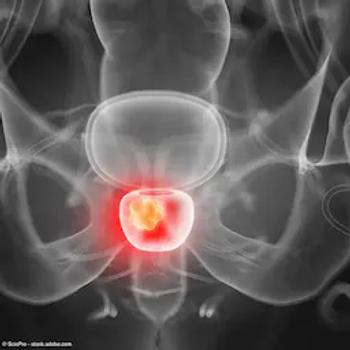
The phase 1/2a SECuRE trial is evaluating the safety and efficacy of 67Cu-SAR-bisPSMA in the treatment of patients with mCRPC.

The sensitivity of 99mTc-sestaMIBI SPECT/CT was 97%, and the specificity was 53.8%.

"We found that almost half of them had suspicious findings as defined by the radiologist, but also that the positivity rate for PSAs below 0.5 were around 35%," says Eric Li, MD.
"I would basically look at these 3 things as the major things to be coming up," says Jitesh Dhingra, MD, FRCEM.

“On a lesion level, there were still more lesions detected with PSMA-PET, but not on a patient level,” says Jeremie Calais, MD, PhD.
The revised policy will take effect on January 1, 2025.

“The majority (76%) of patients not yet meeting the Phoenix criteria did have PSMA-avid lesions on PSMA-PET, suggesting [prostate cancer] recurrence," says Evelien J E van Altena.
The trial is comparing the diagnostic performance of 61Cu-NODAGA-PSMA I&T with that of 18F-piflufolastat.
Data from the EMPIRE-2 trial also showed that 18F-fluciclovine resulted in significantly more boosts to the prostate bed.
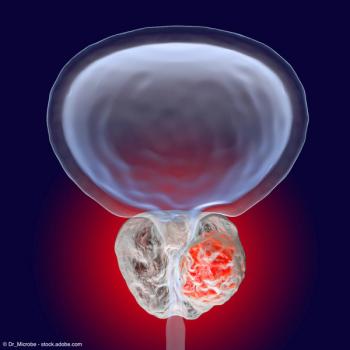
Overall, 15/16 patients had a true positive scan based on confirmatory imaging and/or biopsy, equating to a PPV of 93.75%.
Patient recruitment for the phase 3 AMPLIFY trial is set to begin early next year.
Both 177Lu-PSMA-I&T and 64Cu-PSMA-I&T are currently in phase 3 development for use in prostate cancer diagnostics and treatment.
"We found that as soon as we got to the range of biochemical recurrence-defined PSA—0.2 ng/mL and up—the detection rate was very high," says Bridget Koontz, MD, FASTRO.
Illuccix is now indicated for use in the selection of patients with mCRPC for PSMA-targeted radionuclide therapy.

"I think it's a really nice synergy between the 2 technologies," says Wayne G. Brisbane, MD.
Unlocking the potential of PSMA-PET: The need for interdisciplinary collaboration in image interpretation
Published: | Updated:
"The radiologist more than ever has to be part of the care team," says Phillip H. Kuo, MD, PhD, FACR.
“We are pleased that a first patient has been imaged in the CA-NINE trial, which supports potential label expansion for TLX250-CDx into recurrent, metastatic disease,” says David N. Cade.

With this integration, imaging data from the DeepHealth software can be readily imported to the Trinity 3D Ultrasound Platform for prostate fusion biopsy.

"Interestingly, the findings from this study have already translated into an investigator-initiated clinical trial," says John P. Sfakianos, MD.
“Our findings suggest that high PSMA tumors may respond better to AR-targeting therapies. Tumors with low PSMA possess markers of cancer stem cells and are associated with resistance to radiotherapy," the authors write.
“Our PPP nomograms accurately stratify high- vs. low-risk groups for overall survival in early and late stages of prostate cancer and yield better prediction than established clinical risk tools," wrote the authors.
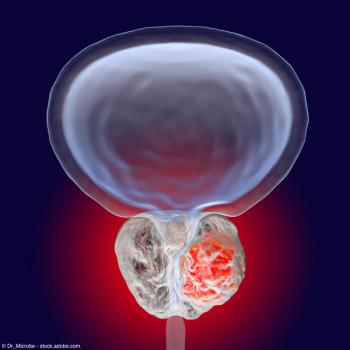
Based on preliminary data, the Safety Review Committee has recommended that the trial proceed with dosing the final 3 patients in the cohort.
The ZIRCON trial reported high accuracy of TLX250-CDx in detecting and characterizing ccRCC in patients with indeterminate renal masses.
Piflufolastat (18F) is being produced at 2 Curium facilities in Madrid and 1 in Sevilla.

The fast track designation for 64Cu-SAR-bisPSMA is supported by findings from Clarity’s ongoing clinical program for the imaging agent.
Advertisement
Advertisement
Trending on Urology Times
1
CHMP recommends perioperative enfortumab vedotin plus pembrolizumab for MIBC
2
FDA grants RMAT designation to EG110A for neurogenic detrusor overactivity
3
FAQs: The 2026 AUA Guideline on Medical Management of Kidney Stones
4
Topical sildenafil cream associated with lower systemic exposure vs oral sildenafil
5