






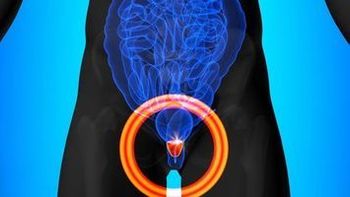
“This is a completely new therapeutic concept; a precision medicine that delivers radiation directly to a high incidence tumor," said Ken Herrmann, MD.
“This is a completely new therapeutic concept; a precision medicine that delivers radiation directly to a high incidence tumor," said Ken Herrmann, MD.

Photodynamic diagnosis with blue light was associated with improved outcomes compared to white light cystoscopy in patients with bladder cancer who received TURBT.

With supporting data from larger series, using Ga-68 PSMA PET as a lymph node invasion prediction tool instead of nomograms could avoid unnecessary lymphadenectomies during radical prostatectomy,” said Yakup Kordan, MD.

“This confirms the potential of PSMA PET to distinguish between risk groups for MFS,” said Dr. Christoph Würnschimmel.
Piflufolastat F 18 effectively detected and pinpointed metastatic lesions with high positive predictive value, regardless of anatomic region.

The designation, which will expedite the development and review of 177Lu-PSMA-617 in this setting, is based on findings from the phase 3 VISION trial.

Advances allow for more accurate detection of metastatic disease.
Amid a recent FDA approval and impressive phase 3 data shared during ASCO, there has been a flurry of activity in the PSMA space.
The FDA has approved the PSMA PET imaging agent 18F-DCFPyL for use in prostate cancer.

Jason Zhu, MD, discusses how next-generation imaging is critical to advancing personalized medicine in prostate cancer.
18F-fluciclovine-PET/CT imaging led to improved outcomes with postprostatectomy salvage radiotherapy versus conventional imaging.
The SECURE trial is exploring the PSMA PET imaging product 64Cu-SAR-bisPSMA and the PSMA targeted therapy 67Cu-SAR-bisPSMA.
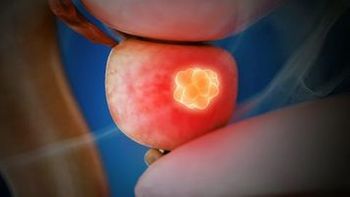
The PSMA-targeted radiopharmaceutical 177Lu-PSMA-617 is poised to become one of the first PSMA theranostics approved by the FDA.

Tagawa draws specific attention to the targeted radioligand therapy 177Lu-PSMA-617.
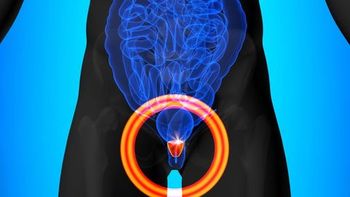
The targeted radioligand therapy 177Lu-PSMA-617 also improved progression-free survival when added to best standard of care (BSC) compared with BSC alone.
At the New York GU 14th Annual Interdisciplinary Prostate Cancer Congress® and Other Genitourinary Malignancies, Phillip J. Koo, MD, highlighted the potential of next-generation imaging to revolutionize the management of patients with prostate cancer.
PSA response rate was higher with the investigational radioligand therapy.
The FDA is currently reviewing the results of these trials and is scheduled to make an approval decision by May 28, 2021.

The FDA is scheduled to make a decision on a new drug application for 18F-DCFPyL on or before May 28, 2021.
The novel PSMA-targeted radiopharmaceutical for PET identified M1 disease in the majority of patients examined who otherwise had locoregional disease, according to a subanalysis of the OSPREY trial.
Twelve percent of patients with negative results on conventional imaging had lesion localization on 18F-fluciclovine PET.

Dr. Declan G. Murphy discusses results from the phase 3 proPSMA study of Ga 68 PSMA-11 in patients with high-risk prostate cancer.

The agency approved the first PSMA-targeted PET imaging drug for men with prostate cancer.

EMPIRE-1 is the first randomized trial to demonstrate an improvement in failure-free survival with treatment based on advanced molecular imaging versus conventional imaging in men with recurrent prostate cancer.
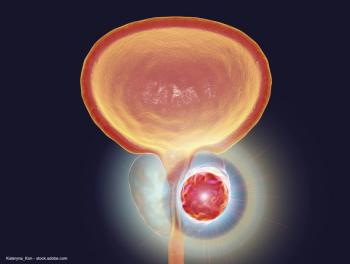
The imaging modality detected nodal metastasis with a sensitivity of 55.3% and a specificity of 84.8% in each patient.