






Next-Generation Imaging
Latest News
Advertisement
Latest Videos



CME Content



Advertisement
More News

The guidelines now include the use of piflufolastat F 18, along with all approved PSMA-PET imaging agents, for the selection of prostate cancer patients to receive PSMA-targeted radioligand therapy.

177Lu-PSMA-617 is FDA-approved for the treatment of patients with PSMA-positive metastatic castration-resistant prostate cancer.

The phase 2 STARLITE 2 trial is exploring the combination of the novel radiopharmaceutical TLX250 (177Lu-DOTA-girentuximab) and nivolumab in patients with advanced renal cell carcinoma.

The ongoing phase 1/2 COBRA trial is exploring the PSMA-PET imaging agent 64Cu SAR-bisPSMA in patients with biochemical recurrence of prostate cancer following definitive therapy.

“Overall, there's no known advantage or disadvantage in a head-to-head trial of either one of these, but I do think they're complementary,” says Scott T. Tagawa, MD, when discussing radium-223 dichloride and lutetium Lu 177 vipivotide tetraxetan.

The novel radionuclide combination was safe and effective in men with progressive mCRPC who had previously received chemotherapy and novel androgen signaling inhibitors.

"Tools such as Illuccix PSMA-PET are incredibly valuable as we look for better ways to manage prostate cancer in men," said Michael Koch, MD.

"With the existing drugs, we are looking to make them better," said Scott T. Tagawa, MD.

Richard Wahl, MD, president of the Society of Nuclear Medicine and Molecular Imaging, highlights the approval of 177Lu-PSMA-617 (Lu 177 vipivotide tetraxetan) as the first targeted radioligand therapy for the treatment of progressive, PSMA-positive metastatic castration-resistant prostate cancer.

Phillip S. Low, PhD, led research that was critical to the development of targeted radioligand therapy 177Lu-PSMA-617 for the treatment of patients with prostate cancer.
The strategic partnership involves the PSMA-PET imaging agent piflufolastat F18 and the PSMA-targeted therapy lutetium Lu 177 vipivotide tetraxetan.
“What I'm quite hopeful for are PSMA-targeted alpha emitters,” says Scott T. Tagawa, MD, MS, FACP.
Eligible patients for the multicenter, nonrandomized, single-arm trial (NCT05249127) will have suspected recurrence of prostate cancer as determined by a rising prostate-specific antigen following definitive therapy.

Key outcome measures include disease status adjustment, disease staging adjustment, and change in clinical management plan.

The approval is based on findings from the phase 3 VISION trial.

“We look forward to the optimization of these drugs,” says Scott T. Tagawa, MD, MS, FACP.

Over 90% of patients had a ≥50% reduction in their PSA level when receiving the PSMA-targeted therapy 225Ac-PSMA-617.

In this interview, Brian D. Gonzalez, PhD, shares results that were presented at the 2022 ASCO Genitourinary Cancers Symposium from the study, "Improvements in symptoms related to bone metastasis in recipients of Lutetium-177 PSMA-617 for prostate cancer."

“I think that we keep getting better and better tools…[and] I think understanding how to utilize these tools will be a challenge in the future,” says David M. Schuster, MD, FACR.

Lead author David M. Schuster, MD, FACR, assessed the detection rate of the novel theranostic PET ligand in a population of almost 400 men and found that the data supported clinical utility of 18F-rhPSMA-7.3 PET in managing men with recurrent prostate cancer across a wide range of prostate-specific antigen levels.

“Those that did complete the surveys generally reported average improvements in bone-metastasis-related pain and ability to function despite that pain,” says Brian D. Gonzalez, PhD.

“We call this a ‘disruptive innovation,’” says Leonard S. Marks, MD.
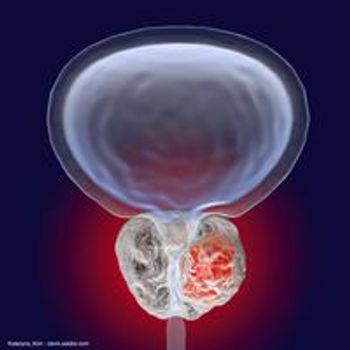
The phase 1/2 COBRA trial is exploring the novel PSMA-PET imaging agent 64Cu-SAR-bisPSMA in patients with biochemical recurrence.

We've never had an imaging agent like this before,” says Leonard S. Marks, MD.

In a recent interview, Hossein Jadvar, MD, PhD, discussed what the appropriate use criteria consist of for prostate-specific membrane antigen (PSMA)-PET imaging, and why these criteria are vital in ensuring the individualized care of patients.
Advertisement
Advertisement
Trending on Urology Times
1
CHMP recommends perioperative enfortumab vedotin plus pembrolizumab for MIBC
2
FDA grants RMAT designation to EG110A for neurogenic detrusor overactivity
3
Topical sildenafil cream associated with lower systemic exposure vs oral sildenafil
4
FAQs: The 2026 AUA Guideline on Medical Management of Kidney Stones
5