

Martin B. Richman, MD, MBA, FACS, outlines recent advancements in BPH, with an emphasis on the importance of a patient-focused approach to care.
Martin B. Richman, MD, MBA, FACS, outlines recent advancements in BPH, with an emphasis on the importance of a patient-focused approach to care.


A major focus of the discussion is the integration of advanced prostate cancer therapeutics into urology offices.

This clearance adds onto a previous indication for the BioTraceIO platform in liver tumor ablation.
The approval is supported by data from the phase 3 MK-3475A-D77 trial.
The Altaviva device is a minimally invasive implantable tibial neuromodulation therapy for patients with urge urinary incontinence.
Among the topics covered are BCG dosing and maintenance regimens.

According to the authors, these findings suggest that FloStent could serve as an effective interim solution for men who are awaiting TURP.
The phase 2 trial has shown encouraging safety and efficacy results for carotuximab and apalutamide in patients with mCRPC.

Kanika Searvance, MD, and Yasin Bhanji, MD, discuss the evolution of BPH care.

Both the Dornier Hoover Flexible and Navigable Suction Ureteral Access Sheath and the Dornier Axis II Slim single-use ureteroscope are FDA-cleared.

The trial enrolled over 700 high-risk participants across 20 clinical trial sites in Taiwan.

The conversation tackles testosterone therapy in men with prostate cancer, a complex and sometimes controversial issue.

Recent data suggests a lack of knowledge among primary care providers on the value of prostate specific antigen testing, particularly for patients in high-risk groups.

According to the authors, these findings suggest that biparametric MRI could become the new standard of care for prostate cancer diagnosis.

Andrew J. Kirsch, MD, FAAP, FACS, outlines current therapies, ranging from behavioral strategies, such as limiting fluids before bedtime, to bedwetting alarms and medications like DDAVP.
The Focalist device obtained FDA clearance in the US in July 2025.

Tom Jayram, MD, discusses rationale for selective FGFR3 inhibition in bladder cancer as well as what’s needed to bring this treatment modality into routine clinical practice.

Two-year outcomes from the ASPIRE trial continued to show that the SURE procedure led to significantly reduced health care consumption events compared with ureteroscopy.
The NDA is supported by data from a phase 3 trial, which demonstrated a 75% complete response rate at 3 months.

Siamak Daneshmand, MD, shares his thoughts on the impact of the gemcitabine releasing system for clinical practice.
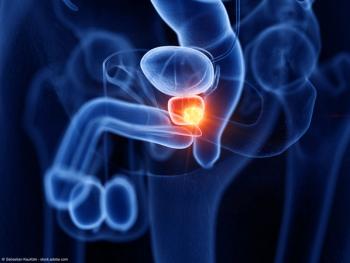
The registrational trial is aiming to expand the indications for Illuccix and Gozellix to include use in prostate cancer diagnosis.

Data showed a marked or moderate improvement in IC/BPS symptoms in 41% of patients who received sunobinop vs 9% of patients who received placebo.

"As urologists, we should be proactive and creative as we find new ways to attract, retain and train the next generation," writes Michael S. Cookson, MD, MMHC, FACS.
Data from the SunRISe-1 trial showed a complete response rate of 82%, with 51% of patients remaining in complete response for at least 1 year.
Patients will be enrolled in the study through clinical trial sites in the US, with additional international sites to follow.

The episode also underscores the role of artificial intelligence in prostate imaging.
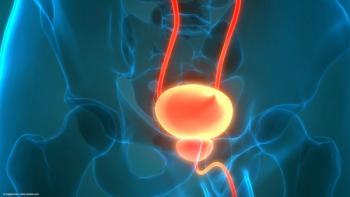
At the time of data report, the median progression-free survival and duration of response had not been reached in either cohort.

"Based on this proposal, some shifts may significantly impact the practice of urology," write Jonathan Rubenstein, MD, and Mark Painter.
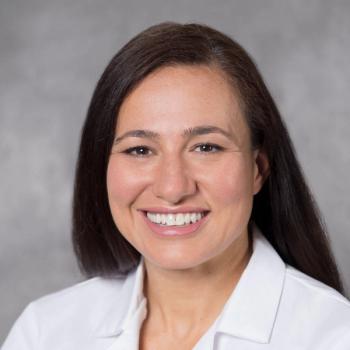
Rana R. McKay, MD, FASCO, highlights notable takeaways from the COMRADE trial, assessing the combination of olaparib plus radium-223 in CRPC.