

Data showed that 1 in 6 men with GG1 prostate cancer ultimately had higher-risk disease when other clinical features were taken into account.
Data showed that 1 in 6 men with GG1 prostate cancer ultimately had higher-risk disease when other clinical features were taken into account.

A recap of the FDA submissions and regulatory decisions in urology from July 2025.
Data show that TAR-200 monotherapy led to high complete response rates and encouraging DFS in patients with BCG-unresponsive high-risk NMIBC.
ATNM-400 demonstrated improved efficacy compared with 177Lu-PSMA-617 in treatment-resistant models as well as enhanced efficacy in combination with enzalutamide.

The first patient has been dosed in the phase 1/2 redePHine trial, evaluating the safety and preliminary efficacy of ABO-101 for PH1.
Enzalutamide plus ADT was associated with significant improvements in rPFS and time to castration resistance compared with darolutamide plus ADT.
The 500 mg regimen of abiraterone acetate demonstrated comparable anti-tumor activity and a favorable safety profile compared with the standard 1000 mg dose.

Bansal unpacks how to personalize treatment plans in a therapeutic landscape now filled with minimally invasive and surgical options.

However, M-HoLEP was superior in terms of enucleation time and efficiency, catheterization time, and hospital stay.
Data from the phase 3b study were recently published in Reviews in Urology, showing that administration of mitomycin intravesical solution in the home setting was feasible, safe, and effective.

Data showed that fracture risk rises briefly after menopausal hormone therapy discontinuation, then falls below never-users.

MRWS was shown to prolong the time off systemic therapy and was associated with favorable tolerability.
The WATER IV PCa trial is comparing first-line Aquablation therapy with radical prostatectomy for the treatment of patients with localized prostate cancer.

The expanded labeling would enable the use of flibanserin to treat hypoactive sexual desire disorder in postmenopausal women.
The new advanced annotation workflow on the UroNav System is designed to work in tandem with DynaCAD Urology to support focal therapy planning.

The code, 0991T, will become effective on January 1, 2026.

"As always, we encourage you to communicate among all team members and pay attention to your documentation," write Jonathan Rubenstein, MD, and Mark Painter.
Ultimately, the take-home message for practicing urologists is to apply TMT judiciously, taking into account the patient's clinical profile, personal values, and financial situation.
The PRESERVE trial met its primary end point by demonstrating a negative in-field biopsy rate of 71% at 12 months.

According to the authors, these data support Rezūm as an alternative first-line treatment option for patients at risk of BPH progression.
This approval enables the use of darolutamide plus ADT with or without chemotherapy.
Mitomycin intravesical solution was granted FDA approval in June 2025 for recurrent LG-IR-NMIBC.

In a panel meeting convened by the FDA, experts urged the agency to revise or remove the outdated boxed warning on hormone therapies for menopause.
In both cohorts, the combination of talazoparib plus enzalutamide led to a significant improvement in overall survival vs enzalutamide alone.

Take a look back through some of the top stories from the first half of the year.
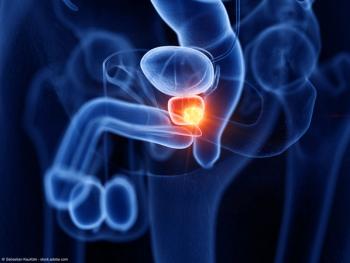
The phase 2 Co-PSMA trial enrolled 50 patients with biochemical recurrence of prostate cancer.

The SOPHIA2 trial will assess the safety and efficacy of the UroActive implant in men with SUI.
The new drug application for TAR-200 is supported by data from cohort 2 of the phase 2b SunRISe-1 trial.

The Continuity Grant will support projects in bladder cancer and/or upper tract urothelial carcinoma that were previously scientifically reviewed, approved, and funded.
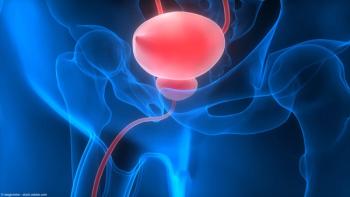
Alpha1H was granted a fast track designation in November 2023.