
"For me and the patients, [nadofaragene firadenovec is] a very convenient dosing schedule, and it's a very efficacious treatment," says Ravi D. Chauhan, MD, FACS.
"For me and the patients, [nadofaragene firadenovec is] a very convenient dosing schedule, and it's a very efficacious treatment," says Ravi D. Chauhan, MD, FACS.

Miner emphasized that TRAVERSE has reshaped the safety narrative around testosterone replacement therapy, easing concerns about cardiovascular and prostate risks.

"I think the most important thing, or take-home message that we try to share, is gathering data, understanding what those metrics are from the very beginning," says Brooke B. Edwards, MD.
"The more I use [SURE], the more applications I see with it," says Matthew A. Love, MD.

"The main issue in DC now is the Medicare Physician Fee Schedule," says Scott Sellinger, MD, FACS.
The FDA has confirmed that results from the UTOPIA trial can support submission of an NDA for UGN-103.
The study is assessing FL115 in combination with BCG in patients with non-muscle invasive bladder cancer.

"The OBBA includes broad and sweeping changes that will have a profound impact," writes Allan Shen, CFP.

The ENDURE 1 study plans to enroll up to 60 patients with benign ureteric strictures.
The Desai Sethi Urology Institute (DSUI) has released its 2025 Annual Report.

The approval is supported by the phase 2/3 ZEUS trial.

A key highlight of the discussion is the emerging research on testosterone in women, an area long underfunded and under-studied.
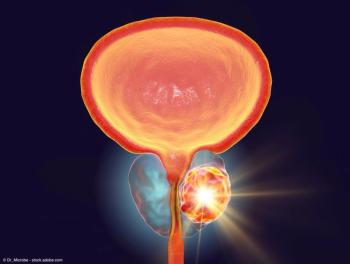
The phase 3 PSMAddition trial assessed the combination of 177Lu-PSMA-617 plus ADT/ARPI in an earlier stage of metastatic prostate cancer.

Taylor Goodstein, MD, and Pretesh Patel, MD, explore how image guidance and adaptive radiation planning have revolutionized precision, even allowing real-time treatment plan adjustments.
A recap of the FDA submissions and regulatory decisions in urology from October 2025.

Jaeger emphasized that the ideal HoLEP candidate is any patient with bothersome lower urinary tract symptoms due to BPH, including those with urinary retention or intolerance to medication
Explore the evolving landscape of non-muscle invasive bladder cancer treatments, focusing on the promising gene therapy detalimogene voraplasmid and its trial results.
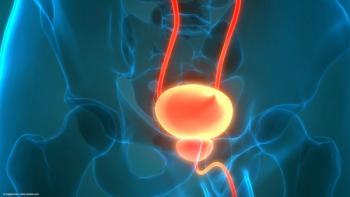
Christof Vulsteke, MD, PhD, discusses results from the KEYNOTE-905 trial, evaluating perioperative EV/pembrolizumab in cisplatin-ineligible MIBC.
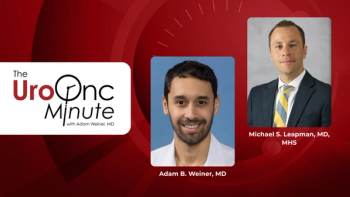
In this episode, Adam Weiner, MD, and Michael Leapman, MD, discuss the current state of active surveillance for intermediate-risk prostate cancer.

According to the authors, immune-mediated adverse events were manageable and consistent with the known profiles for ICIs.
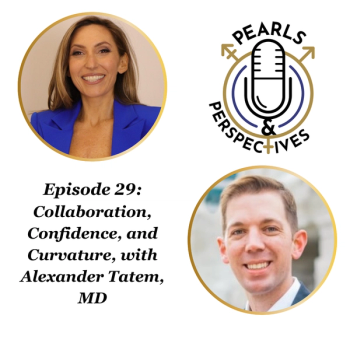
Tatem discusses his latest research on treating ventral curvature in Peyronie disease using collagenase clostridium histolyticum (Xiaflex).
The UroOnc Minute, hosted by Adam Weiner, MD, is the latest multimedia program from Urology Times.
Avvio Medical plans to submit a de novo application for clearance of the device in early 2026.

Scott B. Sellinger, MD, FACS, discusses the challenges facing urologists, the loss of telehealth flexibility, and why bipartisan action remains urgent.
Merck plans to share these data with regulatory authorities worldwide.

The key finding was that men who received rectal spacers had a 50% lower risk of biochemical failure.

The phase 3 LITESPARK-011 trial has met its primary end point.
According to the authors, this combination represents a potential new standard of care for this patient population.

The code, J9282, will be effective on January 1, 2026.

Take a look through the top readouts in urologic oncology from ESMO 2025.