Videos

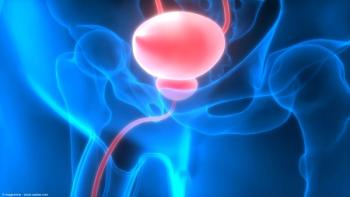
A panelist discusses how BCG-unresponsive non–muscle-invasive bladder cancer (NMIBC) has evolved from having limited treatment options beyond radical cystectomy to now having several therapeutic alternatives including intravesical chemotherapy and immunotherapy, though each current option comes with its own efficacy limitations and adverse effect profiles that must be carefully weighed against patient factors.

2 experts in this video

Panelists discuss how low-risk non–muscle-invasive bladder cancer (NMIBC) requires transurethral resection of bladder tumor (TURBT) with surveillance. Intermediate-risk disease needs adjuvant intravesical chemotherapy. High-risk cases receive BCG induction/maintenance therapy after TURBT, with close monitoring.

Max Kates, MD, discusses how the ability to deliver newer treatments in local urology clinics rather than specialized centers reduces patient travel burden and improves access to care, while suggesting that increased education about safety profiles and implementation protocols could encourage broader adoption among health care providers.

Max Kates, MD, discusses how newer therapies for BCG-unresponsive NMIBC may have better long-term cost-effectiveness despite higher initial costs, emphasizing the importance of leveraging patient assistance programs, copay cards, and foundation support to ensure treatment access while using cost comparison tools to help patients make informed decisions.