

Alan W. Shindel, MD, provides an expert summary and analysis of the 2020 AUA Guidelines for Disorders of Ejaculation.
Alan W. Shindel, MD, provides an expert summary and analysis of the 2020 AUA Guidelines for Disorders of Ejaculation.
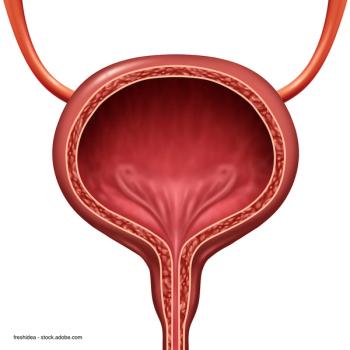
The novel oral penem anti-infective compound sulopenem showed stronger clinical activity than ciprofloxacin in patients with uncomplicated urinary tract infections with quinolone resistant pathogens, according to findings from the phase 3 SURE1 trial.

William Lowrance, MD, and Michael S. Cookson, MD, highlight the core components of the new AUA Guideline for Advanced Prostate Cancer.

A 4-step quality improvement intervention increased compliance with American Urological Association guidelines for periprocedural antibacterial prophylaxis for high-risk patients receiving cystoscopy.

The American Urological Association, American Society for Radiation Oncology, and Society of Urologic Oncology have released a joint guideline for advanced prostate cancer to address the growing treatment options and complexity of the paradigm.

The guidelines are an evidence-based clinical reference for the treatment of patients with lower urinary tract symptoms secondary to BPH.

A real-world analysis found that nerve sparing robot-assisted radical prostatectomy increased the risk of ipsilateral positive surgical margins.

Outpatient artificial urinary sphincter insertion is likely a viable option based on an analysis of immediate postoperative complications and pain control.
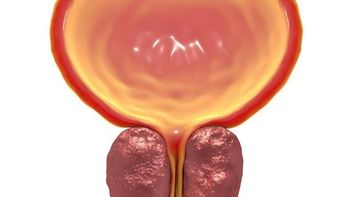
Patient-reported outcomes showed a superior experience regarding post-procedure BPH symptoms with the UroLift prostatic urethral lift over Rezum tissue ablation with steam injection.

The FDA has granted a priority review to relugolix for the treatment of patients with advanced prostate cancer

Phase 3 data showed that the addition of the AKT inhibitor ipatasertib to standard therapy boosted radiographic progression-free survival in patients with advanced castration-resistant prostate cancer whose tumors had PTEN loss.

Following radical prostatectomy, circulating tumor cells may indicate an increased risk of recurrence earlier than a PSA rise.
The dual biomarker of ARID1A mutations and CXCL13 expression was associated with improved overall survival in patients with advanced urothelial carcinoma.

Anti–PD-1/PD-L1 agents were associated with similar efficacy across pure and variant histologies in patients with advanced urothelial carcinoma, with the exception of those with a neuroendocrine variant.

Pembrolizumab has been granted a second tumor-agnostic FDA indication, this one for patients with solid tumors with a high tumor mutational burden.
Neoadjuvant pembrolizumab plus chemotherapy achieved a high rate of pathologic downstaging to noninvasive disease and was associated with a high radical cystectomy rate in cisplatin-eligible patients with urothelial cancer.

MRI-guided laser focal therapy showed a better safety profile than standard treatments for patients with localized prostate cancer.

The regimen of apalutamide, abiraterone acetate, and prednisone showed viability as an ADT-free alternative in patients with advanced prostate cancer with noncastrate testosterone levels.