

Among patients with adrenocortical cancer, 60% to 70% relapse after surgery, making novel therapeutics an area of high unmet medical need.
Among patients with adrenocortical cancer, 60% to 70% relapse after surgery, making novel therapeutics an area of high unmet medical need.

These 5 overactive bladder research papers were recently published in peer-reviewed academic journals.

UGN-102 (mitomycin) for intravesical solution induced long-lasting complete responses in patients with low-grade intermediate-risk non-muscle invasive bladder cancer.
Rana R. McKay, MD, highlights developments with immunotherapy and targeted agents in the treatment paradigm for non-clear cell renal cell carcinoma.
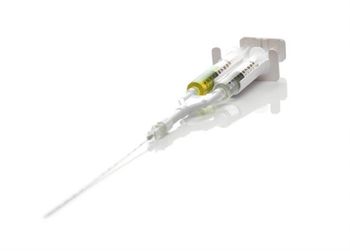
SpaceOAR Vue Hydrogel, a radiopaque perirectal spacer for radiation therapy, is now available in the United States for use in patients with prostate cancer receiving radiotherapy.
Scott T. Tagawa, MD, highlighted pivotal data for enfortumab vedotin and sacituzumab govitecan at the 38th Annual CFS meeting.

Findings from the phase 3 KEYNOTE-581/CLEAR trial (Study 307) showed that the combination improved overall survival, progression-free survival, and response versus sunitinib.

“There is an urgent need for novel therapies in BCG-unresponsive disease. While standard cystectomy is highly curative, it is associated with a substantial risk for morbidity and non-trivial mortality,” said Arjun Balar MD.

"There is unmet medical need in trying to determine if there is a differential benefit to using one therapy over another in the non-clear cell setting," Thomas E. Hutson, DO, PharmD.
FoundationOneLiquid CDx will identify HRR alterations, such as BRCA1, BRCA2, and ATM, that make a patient eligible for olaparib.

“Metastatic prostate cancer is a complex cancer with marked inter- and intrapatient heterogeneity; therapy development must focus on the totality of disease biology,” said Maha Hussain, MD.
Among a small group of patients with metastatic renal cell carcinoma who developed acute interstitial nephritis while on immune checkpoint therapy, 100% had a durable response to treatment.

68Ga-PSMA Cerenkov luminescence imaging accurately assessed surgical margins during radical prostatectomy.
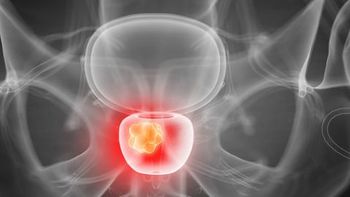
The approval was based on the PROfound trial, in which olaparib reduced the risk of death by 31% compared with abiraterone acetate or enzalutamide.

The study showed the risk of metastasis and mortality was not higher for African American men on active surveillance compared with non-Hispanic white men on active surveillance.

33% of urologists surveyed did not perform or refer patients for germline testing, despite treating patients with advanced prostate cancer in their practice.
At a median follow-up of over 2.5 years, the combination continued to show a significant benefit in overall and progression-free survival versus single-agent sunitinib.
Upfront nivolumab followed by response-dependent sequential use of ipilimumab did not optimize treatment outcomes in patients with advanced renal cell carcinoma.

The study also found that among patients with a primary testicular germ cell tumor (TGCT), the incidence of contralateral TGCT increased up to 20 years after initial diagnosis.

A new trial is exploring whether CLARIX CORD 1K, a cryopreserved umbilical cord allograft, can contribute to a faster return of erectile function and urinary continence after robot-assisted radical prostatectomy.

If confirmed, the results could facilitate personalized treatment for African American men with prostate cancer.
In patients with muscle-invasive bladder cancer, gemcitabine plus once daily radiation showed a low cystectomy rate and high overall survival rate at long-term follow-up.

EMPIRE-1 is the first randomized trial to demonstrate an improvement in failure-free survival with treatment based on advanced molecular imaging versus conventional imaging in men with recurrent prostate cancer.
The miR Sentinel PCC4 Assay is a non-invasive test that has achieved sensitivity and specificity rates above 90% for both detecting and classifying prostate tumors.

The researchers hope their findings can help deliver precision medicine to African American men with prostate cancer.

The intervention led to a significant reduction in urologists' opioid prescribing after prostatectomy and nephrectomy.

Adding the PLK1 inhibitor to abiraterone acetate and prednisone led to disease control in patients showing initial signs of progression on abiraterone.
Although the overall incidence of prostate cancer has declined, the percentage of patients with metastatic disease at diagnosis has increased over the last decade.
The FDA is reviewing data from the phase 3 CheckMate-9ER trial, which showed that the combination significantly improved progression-free and overall survival compared with sunitinib in frontline renal cell carcinoma.
The technique also led to better preservation of anatomical structures around the urethra and achieved a low rate of positive surgical margins.