

The Uro-G single-use device arrives at a time when the FDA is actively investigating reports of infections associated with reusable cystoscopes.
The Uro-G single-use device arrives at a time when the FDA is actively investigating reports of infections associated with reusable cystoscopes.
The TAVT-45 formulation of abiraterone acetate consists of granules for oral suspension.

Cystoscopy failed to detect residual muscle invasive bladder cancer in one-fourth of patients at the time of radical cystectomy.

Higher screening frequency was associated with a lower risk of metastatic disease at diagnosis and a reduction in prostate cancer–specific mortality.

The device can now be marketed throughout the EU, as well as in Iceland, Liechtenstein, and Norway.
18F-fluciclovine-PET/CT imaging led to improved outcomes with postprostatectomy salvage radiotherapy versus conventional imaging.
In contrast, following development of metastatic castration-resistant prostate cancer, time to castration resistance did not influence overall survival.

Results of the phase 3 CALGB 90601 trial were published online in the Journal of Clinical Oncology.

The antibody-drug conjugate received a priority review for patients with locally advanced or metastatic urothelial carcinoma with disease progression.
The FDA is scheduled to make a decision on the expanded approval for the antibody-drug conjugate on or before August 17, 2021.
Tadfin is a once-daily capsule that combines 5 mg of tadalafil (Cialis) with 5 mg of finasteride (Proscar).
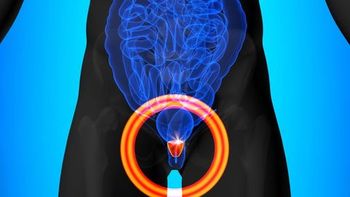
The targeted focal laser ablation system is intended to be an office-based treatment for localized prostate cancer delivered under local anesthesia.
Among the findings, the researchers identified a potential biomarker of ancestry-dependent treatment outcomes with hormone therapy.
The study also showed that sexual function was comparable for women with SUI who received single incision sling versus those who underwent transobturator midurethral sling.

The data from the pivotal phase 2 TROPHY-U-01 trial supported the FDA approval of sacituzumab govitecan for the treatment of patients with urothelial carcinoma.
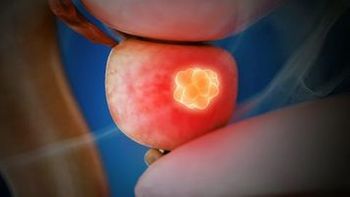
The final results of the pivotal TITAN trial “support the early addition of apalutamide to ADT for optimal therapeutic outcomes in patients with metastatic castration-sensitive prostate cancer,” the authors wrote.
The SECURE trial is exploring the PSMA PET imaging product 64Cu-SAR-bisPSMA and the PSMA targeted therapy 67Cu-SAR-bisPSMA.
“Our findings highlight an urgent need for more accurate, patient-friendly social media content,” says Dr. Stacy Loeb.
Final FDA decision on approvals is still pending.

Lumasiran is the first drug approved by the FDA for the treatment of patients with primary hyperoxaluria type 1.
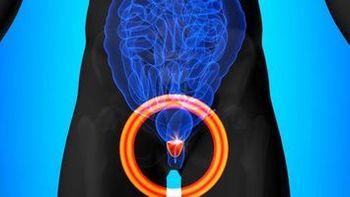
The approval was based on data from the phase 3 ARCHES trial.
EPI-7386 previously received an FDA Fast Track Designation for patients with mCRPC resistant to standard-of-care treatments.

The application for the targeted release formulation of budesonide is supported by data from the phase 3 NefIgArd trial and the phase 2 NEFIGAN trial.
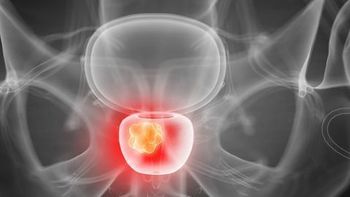
Stereotactic body radiotherapy was not associated with any dose-limiting toxicities.
The implantable tibial neuromodulation device is being assessed at 8 clinical sites in the United States.
Both forms of therapy are considered standard of care in prostate cancer; however, some data suggest that proton therapy may offer a safer alternative without sacrificing efficacy.
Overall survival was similar between patients selecting primary intervention or active surveillance.
The NanoTherm therapy system is being explored for the focal ablation of intermediate-risk prostate cancer.

The genomic assay did not increase use of active surveillance in a predominantly African-American population of men with favorable-risk prostate cancer.
Exploration of the novel combination continues after early-phase published data showed promising clinical activity.