

There were also no reports of sexual dysfunction related to device or procedure and no reported cases of sustained de novo erectile dysfunction at 5 years.
There were also no reports of sexual dysfunction related to device or procedure and no reported cases of sustained de novo erectile dysfunction at 5 years.

Padeliporfin ImPACT previously received FDA Fast Track and Orphan Drug designations for the treatment of patients with upper tract urothelial cancer.

The novel combination of apalutamide plus abiraterone and prednisone had previously met the primary end point of radiographic progression-free survival in the phase 3 ACIS trial.

"Brain imaging is routinely obtained for kidney cancer patients with symptoms that suggest CNS metastases, but none of the patients with brain metastases included here were symptomatic," said Martin H. Voss, MD.

The applications are supported by data from the EV-301 and EV-201 trials.
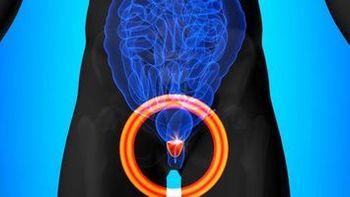
A phase 3 trial has already been launched to build on these early results with the combination of the PARP inhibitor and androgen receptor inhibitor.
The PSMA-targeted radiopharmaceutical 177Lu-PSMA-617 is poised to become one of the first PSMA theranostics approved by the FDA.

The Optilume drug-coated balloon catheter system is used to treat patients with lower urinary tract symptoms related to benign prostatic hyperplasia.
The FDA has approves sacituzumab govitecan (Trodelvy) for patients with prevviously treated locally advanced or metastatic urothelial cancer.

Vibegron (Gemtesa) is approved by the FDA for the treatment of adult patients with overactive bladder with symptoms of urge urinary incontinence.

Tumors exhibiting homozygous DNA damage response (DDR) alterations were more likely to respond to talazoparib than those with heterozygous DDR alterations.

Maintaining a healthy lifestyle lowered the likelihood of developing aggressive prostate cancer among men with high genetic risk.

The phase 3 KEYNOTE-564 trial remains ongoing to evaluate the key secondary end point of overall survival.

Ninety-eight percent of the study population was female.

Using a blood or saliva sample, ProstateNow employs a 3-pronged approach for assessing risk.
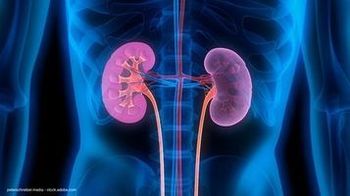
The ILLUMINATE-A trial of lumasiran in patients with primary hyperoxaluria type 1 supported the FDA approval of this drug.

The study is comparing the triplet regimen with nivolumab/ipilimumab alone as a frontline treatment for patients with advanced intermediate- or poor-risk renal cell carcinoma.

The approval was based on data from the pivotal phase 3 CheckMate-9ER trial.
The panel recommended adding data from the phase 3 KEYNOTE-361 trial to the label for pembrolizumab for its indication for patients with advanced or metastatic urothelial carcinoma.

Tivozanib is approved by the FDA for the treatment of adult patients with relapsed or refractory advanced renal cell carcinoma who have received 2 or more prior systemic therapies.
The application is supported by findings from the phase 3 EV-301 trial.

The European Commission is reviewing supporting data from the phase 3 ARCHES trial.
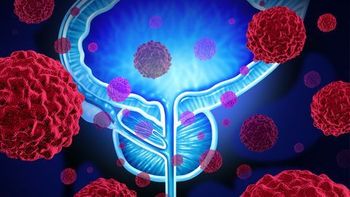
“This study represents the most comprehensive analysis to date of tumor mutation burden as a biomarker for response to immune checkpoint blockade,” according to lead study author Daniel J. McGrail, PhD.

Transperineal prostate biopsy was associated with a higher likelihood of upgrading to clinically significant prostate cancer versus transrectal prostate biopsy among men on active surveillance.

Men with Peyronie’s disease have an increased risk of being diagnosed with a substance use disorder, anxiety disorder, depression, and self-injurious behaviors.
The targeted radioligand therapy 177Lu-PSMA-617 also improved progression-free survival when added to best standard of care (BSC) compared with BSC alone.

Scott T. Tagawa, MD, explained the latest developments with the radiopharmaceutical radium-223 at the 2021 New York GU 14th Annual Interdisciplinary Prostate Cancer Congress®.
Tivozanib is approved by the FDA for the treatment of adult patients with relapsed or refractory advanced renal cell carcinoma who have received 2 or more prior systemic therapies.

“The good news is that we’re getting really good at treating cancer and we have more survivors, but we need to start thinking more carefully about the non-cancer risks following a diagnosis, one of which is cardiovascular disease,” said senior author Ashley Felix, PhD.

The study is evaluating the triplet in patients with metastatic castration-resistant prostate cancer who have become resistant to first-line treatment with an androgen receptor signaling inhibitor.