

Findings from the phase 2 TRITON2 trial, which led to the FDA approval of the PARP inhibitor rucaparib in metastatic castration-resistant prostate cancer, have been published in the Journal of Clinical Oncology.
Findings from the phase 2 TRITON2 trial, which led to the FDA approval of the PARP inhibitor rucaparib in metastatic castration-resistant prostate cancer, have been published in the Journal of Clinical Oncology.
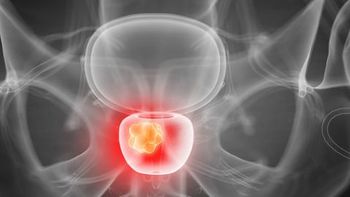
Response and survival rates with the immunotherapy-based regimen support ongoing phase 3 research with pembrolizumab in prostate cancer.

The randomized ESCALATE trial has a primary end point of symptomatic skeletal event-free survival.

The OASIS study is examining the RENOVA iStim implantable tibial neuromodulation system for the treatment of women with overactive bladder.

Study results showed sensitivity and specificity rates above 90%.

A standardized, multidisciplinary approach led to similar outcomes based on disease characteristics, not sociodemographic factors.
The randomized trial is evaluating the combination of pembrolizumab and olaparib against abiraterone acetate or enzalutamide.
Including the genomic test in the protocol for patient surveillance reduced the average number of annual cystoscopies by approximately 39%.

InterStim Micro treats patients with overactive bladder, fecal incontinence, and non-obstructive urinary retention by delivering sacral neuromodulation therapy.
Holmium laser lithotripsy with Moses 2.0 is intended to enhance precision and versatility by optimizing laser energy transmission.

The cost-savings are particularly noteworthy given prior evidence of blue light imaging enhancing the efficacy of diagnostic cystoscopy.

A subgroup analysis of the pivotal phase 3 ARAMIS trial showed that the efficacy of darolutamide was sustained in patients with a rapid PSA double time.

Minimally invasive water vapor thermal therapy offers rapid improvements in LUTS, QoL, and flow rate that remain durable to 5 years in patients with lower urinary tract symptoms due to benign prostatic hyperplasia.
The novel HIF-2α inhibitor MK-6482 led to a decrease in the size of target lesions in almost 90% of patients with von Hippel-Lindau disease–associated renal cell carcinoma.

Given the efficacy and safety demonstrated, there may be a role going forward for the pembrolizumab/nab-paclitaxel combination in earlier disease stages.

Referring physicians implemented PSMA PET–based treatment changes in 72% of patients.
The phase 3 SPOTLIGHT study is assessing the diagnostic capability of rhPSMA-7.3 (18F) PET in men with suspected prostate cancer recurrence based on elevated PSA following prior therapy.

In patients with prior exposure to PDE5 inhibitors, increasing the number of sessions of low-intensity shockwave therapy was associated with improving outcomes.

The phase 3 CONTACT-03 trial is exploring the combination of the multikinase inhibitor and immunotherapy agent in patients with renal cell carcinoma after exposure to an immune-checkpoint inhibitor.

Trinity Bivalacqua, MD, PhD, discusses the available evidence for the use of restorative therapies for erectile dysfunction.

In men who had radical prostatectomies for intermediate and high-risk disease, a delay of up to 12 months did not result in any worse outcomes compared to immediate surgery within 3 months of diagnosis.
Minimally invasive surgery was associated with similar overall survival and disease-specific survival outcomes compared with open surgery in patients with early-stage kidney cancer.

The most frequent treatment changes triggered by 18F-DCFPyL PSMA PET/CT were a shift from observation or systemic therapy to surgery or radiation, or adding nodal-directed therapy to radiation or salvage surgery.

Findings create opportunity to develop precision medicine options for this underserved patient population.
Steven A. Kaplan, MD, explains the updates in the AUA 2020 guideline on lower urinary tract symptoms secondary to benign prostatic hyperplasia.

At 10 years, the risk of distant metastasis was 0.6%.
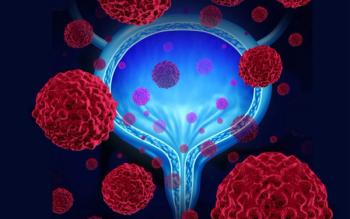
Cabozantinib's single-agent activity opens the potential for combination approaches with immunotherapy in patients with heavily pretreated urothelial carcinoma.

Abnormalities in the androgen receptor gene detected in men with advanced prostate cancer were associated with poor responses to available drug treatments and reduced survival.

The Soltive Laser System, which uses thulium fiber laser technology, has been shown to generate finer particulate and dusted stones in half the time as a standard holmium yttrium aluminium garnet laser.

The FDA has approved the PD-L1 inhibitor avelumab for the frontline maintenance treatment of patients with locally advanced or metastatic urothelial carcinoma.