

The oncolytic immunotherapy cretostimogene grenadenorepvec induced complete responses in over three-fourths of patients with high-risk BCG-unresponsive non–muscle-invasive bladder cancer.
The oncolytic immunotherapy cretostimogene grenadenorepvec induced complete responses in over three-fourths of patients with high-risk BCG-unresponsive non–muscle-invasive bladder cancer.

PSMA-PET is becoming an invaluable tool for the diagnosis and management of oligometastatic prostate cancer patients, a sub-group for whom novel treatment strategies are continuing to emerge.

Concomitant abiraterone or enzalutamide did not boost the radium-223 survival benefit in patients with bone-dominant metastatic castration-resistant prostate cancer.

Surgery following neoadjuvant immune checkpoint inhibition with durvalumab plus tremelimumab was shown to be safe in patients with locally advanced renal cell carcinoma.

"However, these patients have an overall poor prognosis,” noted Mohamed E. Ahmed, MD.

Severe SUI was defined as 3 or more pads daily and severe erectile dysfunction was defined as an International Index of Erectile Function score of 10 or lower.

The FDA has approved enzalutamide for use with or without a GnRH analog therapy for the treatment of patients with nonmetastatic castration-sensitive prostate cancer.

“Preclinical and clinical findings thus far indicate that SAR-Bombesin holds significant potential for improving the diagnosis and treatment of prostate cancer,” said lead principal investigator Andrei Iagaru, MD.
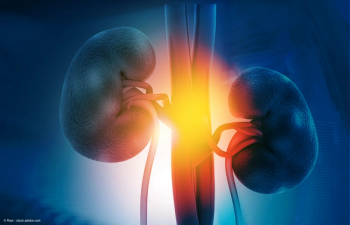
Data showed that plasma oxalate levels were maintained through 24 months of treatment with lumasiran.

“We went to medical school to take care of patients, not to service the computer, which is what we do for a large part of our daily work," said Inderbir Gill, MD.

"You might be the only female urologist in your practice, but you're not the only female urologist in the world, or in the country, or even probably in your state," said Kari Bailey, MD.

Adjuvant pembrolizumab improved overall survival compared with placebo in patients with renal cell carcinoma at intermediate-high or high risk of recurrence following nephrectomy, or following nephrectomy and resection of metastatic lesions.
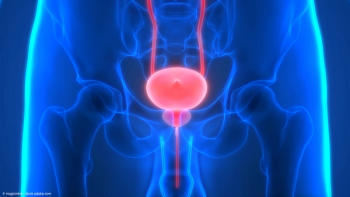
The application is based on results from the phase 3 CheckMate-901 trial.

The FDA’s Fast Track designation is designed to expedite the review and development of novel treatments that will fill an unmet medical need.

The primary end point of the phase 3 CLARIFY trial is the diagnostic capability of 64Cu-SAR-bisPSMA PET to identify regional node metastases.
The FDA has accepted a resubmitted biologics license application for N-803 for use in combination with BCG for the treatment of patients with BCG-unresponsive non–muscle-invasive bladder cancer carcinoma in situ with or without Ta or T1 disease.

“Relugolix is the first approved ADT in Canada that can be administered orally, and once daily, offering a safe and effective option for advanced prostate cancer patients in the country," said Fred Saad, MD.
Treatment with the intravesical chemotherapy delivery system TAR-200 led to complete responses in over three-fourths of patients with BCG-unresponsive, high-risk non–muscle-invasive bladder cancer.

“This is the first time [in urothelial carcinoma] we've managed to beat chemotherapy in the first-line setting for overall survival,” said Thomas B. Powles, MBBS, MRCP, MD.
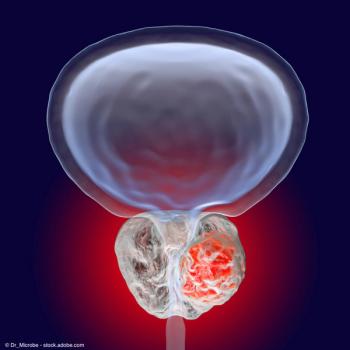
The phase 3 EMBARK trial showed that enzalutamide plus leuprolide reduced the risk of metastasis or death by nearly 60% vs leuprolide alone in patients with nonmetastatic hormone-sensitive prostate cancer with high-risk biochemical recurrence.
Treatment with TLX591 resulted in a PSA reduction in nearly two-thirds of evaluable patients with PSMA-expressing metastatic castration-resistant prostate cancer.
US and Chinese companies are partnering to bring the PSMA-PET imaging agent flotufolastat F 18 to the armamentarium for patients with prostate cancer in China.
Support for the NICE recommendation included 5-year results from the WATER trial, which showed that Aquablation had strong efficacy and safety vs transurethral resection of the prostate in patients with BPH.
The phase 2 study explored the investigational agent BXCL701 in combination with pembrolizumab in patients with small cell neuroendocrine prostate cancer.

“Patients who are candidates for bariatric surgery should be advised that improvement in urinary incontinence may also be a significant benefit of their intervention,” the authors wrote.
Treatment with adjuvant pembrolizumab reduced the risk of disease recurrence or death versus observation in patients with localized muscle-invasive urothelial carcinoma and locally advanced urothelial carcinoma.

This is the largest prostate cancer study that examined the exome, according to the researchers, who believe their findings can potentially inform the makeup of panels used for genetic testing in prostate cancer.

The phase 1/2 COMBAT study examining the novel theranostic 64Cu/67Cu-SAR-Bombesin.

About 1 of every 5 patients with stage I seminoma relapses; however, “the level of evidence supporting the use of currently defined risk factors in decision making is low,” wrote lead author Thomas Wagner, MD, and coinvestigators.

The addition of SBRT to upfront abiraterone acetate and prednisone (AAP) reduced the risk of disease progression or death by 65% compared with AAP alone in patients with oligometastatic castration-resistant prostate cancer.