

The FDA will be evaluating findings from cohorts A and K from the phase 1b/2 EV-103 trial.
The FDA will be evaluating findings from cohorts A and K from the phase 1b/2 EV-103 trial.

eCoin is approved by the FDA for the treatment of urinary urge incontinence, a condition experienced by more than 60% of patients with overactive bladder.

Urologist topped the list as the most stressful career among the 873 jobs ranked.
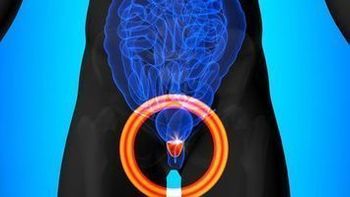
64Cu-SAR-bisPSMA was, “safe, well tolerated, and efficacious in detecting primary prostate cancer,” according to developer Clarity Pharmaceuticals.
The application is supported by the phase 3 PROpel trial, which showed that adding olaparib to frontline abiraterone acetate and prednisone/prednisolone significantly improved radiographic progression-free survival in patients with metastatic castration-resistant prostate cancer.

The phase 2 trial is assessing the MetAP2 inhibitor APL-1202 and the PD-1 inhibitor tislelizumab as a non-chemotherapy–based neoadjuvant regimen for patients with muscular invasive bladder cancer.

UriFind uses a urine sample to assess whether a patient has bladder cancer, avoiding an invasive cystoscopy.
Joshua A. Broghammer, MD, discusses the use of penile implants as an alternative to medication for the treatment of erectile dysfunction.
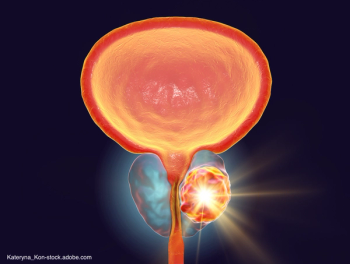
The phase 3 CAPTAIN trial was launched following the pivotal TACT trial, which showed that TULSA provided durable disease control with low toxicity at 3 years’ follow-up in men with localized prostate cancer.
According to Novartis, the developer of 177Lu-PSMA-617, the PSMAfore study is the first clinical trial of a PSMA-targeted radioligand therapy to demonstrate a clinically meaningful benefit in the pre–taxane-based chemotherapy mCRPC setting.

“We showed that in the oldest patient cohorts, age became an independent risk factor for development of de novo CKD after surgical intervention in patients who underwent radical nephrectomy," says Mimi Vu Nguyen.

“Neoadjuvant axitinib seems to be successful in allowing some patients to undergo a partial nephrectomy who had previously been deemed unable to undergo this procedure," said Kevin Hakimi.
“Preliminary efficacy data support proceeding to the phase 2 portion of this study,” the authors wrote in their poster conclusion.
Standard treatment is insufficient for some patients with high-risk localized prostate cancer, and the emerging field of theranostics provides a potential opportunity to improve outcomes, said Karen Elizabeth Hoffman, MD, MHSc, MPH.

The confirmatory phase 3 IMvigor130 trial did not show an overall survival advantage with frontline atezolizumab plus chemotherapy vs chemotherapy alone in patients with advanced urothelial carcinoma.
Approval of the treatment was based on the placebo-controlled phase 3 ARASENS trial, which showed that adding darolutamide to standard ADT and docetaxel boosted overall survival versus ADT/docetaxel alone in patients with metastatic hormone-sensitive prostate cancer.
The new data are from a randomized, double-blind, parallel, placebo-controlled phase 3 trial that enrolled patients experiencing ED after receiving a bilateral, nerve-sparing radical prostatectomy.
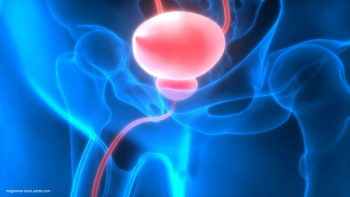
“There is a critical unmet need for efficacious bladder-sparing therapies for patients with BCG-unresponsive bladder cancer,” said Roger Li, MD.

The application for approval in the European Union is based on findings from the pivotal phase 3 PROpel trial.

A higher score on PORTOS, an expression signature of 24 DNA damage repair and immune pathway genes, predicted improved response to dose-intensified salvage radiotherapy after radical prostatectomy in patients with biochemically recurrent prostate cancer.
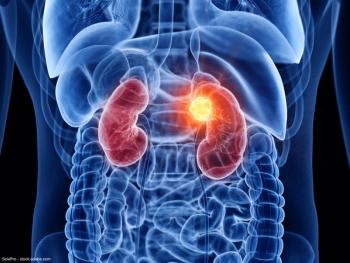
The co-primary end points have been achieved in the phase 3 ZIRCON trial exploring the novel PET imaging radiopharmaceutical TLX250-CDx in clear cell renal cell carcinoma.

The Optilume drug-coated balloon catheter system is approved by the FDA for the treatment of men with urethral strictures.

64Cu SAR-Bombesin targets the Gastrin Releasing Peptide receptor, which is found on prostate tumors as well as several other tumors.

“MFS, as a predictive marker for survival, favored the addition of short term ADT plus iSRT in this population compared to iSRT alone,” said lead study author Igor Latorzeff, MD.
New findings from the phase 3 SPOTLIGHT trial show the impact of PSA level, PSA doubling time, Gleason score, and prior therapy on 18F-rhPSMA-7.3 detection rates.
The target of 64Cu SAR-Bombesin is the Gastrin Releasing Peptide receptor, which is found on prostate tumors as well as several other tumors.
The talazoparib/enzalutamide combination was also shown to have benefits in key secondary end points, including prostate specific antigen (PSA) response, time to PSA progression, and overall response rate.
“Men with this type of metastatic prostate cancer want to get their genetically targeted therapy as early as possible, and this trial clearly shows the value of rucaparib as a treatment for these men,” said Alan H. Bryce, MD, principal investigator of the TRITON3 trial.
The FDA has updated the label for mitomycin-containing reverse thermal gel (Jelmyto) in low-grade upper-tract urothelial cancer by extending the in-use period for pyelocalyceal solution admixture.
The application is supported by findings from a phase 1 trial and two phase 3 trials, SPOTLIGHT and LIGHTHOUSE.