

Bladder Cancer
Latest News
Advertisement
Latest Videos









CME Content


Advertisement
More News

“We believe that our study underscores the importance of improving dissemination of the guidelines and their implementation and uptake in practice,” says researcher Nikhil Waingankar, MD, MSHP.

The investigational oncolytic immunotherapy CG0070 produced an overall 30% complete response rate at 12 months for patients with high-risk BCG-unresponsive non-muscle-invasive bladder cancer.

Despite improved patient awareness and established guidelines, compliance remains low.

Be prepared to supply supporting clinical reasons as part of your appeal to the payer.

In this video, Trinity J. Bivalacqua, MD, PhD, presents the case of a 63-year-old man with history of carcinoma in situ found to have low-grade Ta non-muscle invasive bladder cancer.

Fluorescent blue light cystoscopy improves 3-year recurrence-free survival rates in patients with recurrent bladder tumors compared to white light cystoscopy, and researchers believe its use should be expanded.

"Numerous clinical studies have exhibited significantly improved tumor detection rates with BLC," write Zachary L. Smith, MD, and Norm D. Smith, MD.
A look at Urology Times' most-read articles on bladder cancer reveals a variety of topics, ranging from radical cystectomy to the role of protein- and cell-based urinary biomarkers for bladder cancer detection and surveillance.
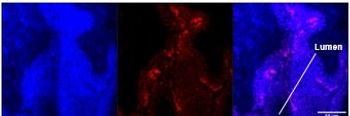
The use of intravesical cisplatin nanoparticles reduces cancer cell proliferation while limiting drug absorption beyond the bladder barrier, according to early findings.

Researchers from The Cancer Genome Atlas Research Network have outlined five distinct expression subtypes of muscle-invasive bladder cancer, each of which may be targetable by different treatments.

A bladder-sparing approach for the treatment of muscle-invasive bladder cancer increases quality-adjusted life years compared with radical cystectomy in appropriately selected patients.
Trimodal therapy could offer superior overall survival versus radical cystectomy in certain subsets of patients with bladder cancer, according to a retrospective analysis presented at the 2017 Society of Urologic Oncology annual meeting in Washington.
Mitomycin C instillation within 24 hours after transurethral resection of non-muscle invasive bladder cancer significantly reduces the risk of recurrence and delays the time to recurrence.
"We will review the evidence and identify potential areas of improvement that can help reduce costs associated with UCB management while improving outcomes," write Daniel J. Lee, MD, and Sam S. Chang, MD.
Current NCCN guidelines are comparable to European models for predicting nonmuscle-invasive bladder cancer recurrence and progression. But better models are needed, according to a recent study.
Adding ramucirumab (CYRAMZA) to standard docetaxel (Taxotere) improved progression-free survival compared with docetaxel alone in patients with advanced or metastatic urothelial cancer who have progressed on platinum-based chemotherapy.
Blue light flexible cystoscopy (D-Light C PDD Flexible Videoscope System) with intravesical hexaminolevulinate HCl (HAL [Cysview]) for surveillance in the office setting significantly improved the detection of recurrent bladder tumors compared with white light cystoscopy.
"Overall, the take-home message is that [blue light cystoscopy], whether in the clinic or the OR, increases the detection of tumors," writes Jeffrey M. Holzbeierlein, MD.
Photothermal treatment with epidermal growth factor receptor-directed gold nanorods results in considerable antineoplastic activity in an early study of bladder cancer.
“rAd-IFNα gene therapy is a breakthrough opportunity for effective local management of BCG-unresponsive NMIBC,” says researcher Colin P. N. Dinney, MD.
Researchers from Wake Forest Baptist Comprehensive Cancer Center have made novel discoveries about the genomic signatures of cancers-including bladder cancer-in smokers and African-American patients.
New research characterizing the molecular mechanisms regulating immune cell infiltration into the luminal subtype of muscle-invasive bladder cancer may explain resistance to treatment with immune checkpoint blockade and suggest a target for improving therapeutic response.
Patients treated with pembrolizumab (Keytruda) as second-line therapy for advanced urothelial carcinoma following platinum-based chemotherapy maintain better health-related quality of life than their counterparts receiving chemotherapy, according to results from the phase III KEYNOTE-045 trial presented at the American Society of Clinical Oncology annual meeting in Chicago.
An easy-to-administer urine test looking for telomerase reverse transcriptase mutations helps detect recurring urothelial bladder cancer, especially non-muscle-invasive bladder cancer, early on, according to a new study.
Urology Times reached out to three urologists (selected randomly and asked them each the following question: How will immunotherapy change the future of bladder Ca care?
Advertisement
Advertisement
Trending on Urology Times
1
AI-generated profiles impersonate female urologists to market ED products online
2
Alternative BCG strains may help address ongoing supply challenges in NMIBC
3
Doublet or triplet? Urologists weighs in on mCSPC options
4
Pearls & Perspectives: Sexual Health and Intimacy in Midlife, With Karen Bigman, MBA
5