


Prostate Cancer
Latest News
Advertisement
Latest Videos
CME Content







Advertisement
More News
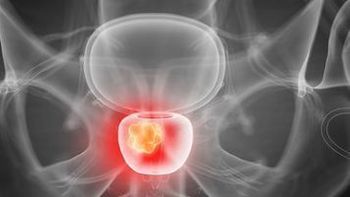
Micro-ultrasound yielded comparable detection rates for prostate cancer as multiparametric magnetic resonance imaging.

“Coordination between urology and radiation oncology, if urology is placing the device, is really critical,” says Jonathan E. Shoag, MD.

The researchers combined machine learning and rule-based natural language processing to develop an algorithm that leveraged electronic health records to identify patients with nmCRPC.

A review of the currently available genomic testing options for patients with clinically localized prostate cancer and the NCCN and AUA/ASTRO recommendations based on risk group.
Stephen J. Freedland, MD, details which patient populations he orders genomic testing for, and how the tests can address clinical challenges in prostate cancer treatment.

The TAVT-45 formulation of abiraterone consists of granules for oral suspension and was created for patients with dysphagia who would have difficulty swallowing a tablet.
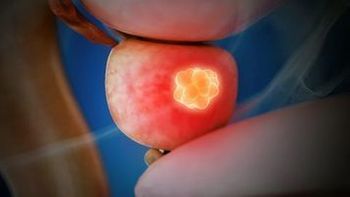
“Each patient is different, and some patients are more challenging than others in terms of placement,” says Jonathan E. Shoag, MD.
An expert urologist explains the potential for overtreatment of low-risk prostate cancer and undertreatment of high-risk prostate cancer and the potential consequences for patients.
A focused discussion on the challenges that urologists commonly face during the treatment decision-making process, and which factors typically inform treatment selection for clinically localized prostate cancer.
External beam radiotherapy plus or minus brachytherapy yielded lower rates of distant metastasis.
“It's really the overall excellence of a multidisciplinary program focused on improving patient outcomes,” says Daniel E. Spratt, MD.

"We feel a more appropriate approach would be to retain true Gleason 6 as a cancer of extremely low metastatic potential requiring close follow-up," write Harris et al.

In this interview, E. David Crawford, MD, discusses the development of luteinizing hormone-releasing hormone agonists and antagonists in prostate cancer.

“LHRH therapies are not going away. They are the standard of care,” says E. David Crawford, MD.
Dr Stephen Freedland outlines the currently available, NCCN-recommended treatment options for patients with high-risk, clinically localized prostate cancer, and the clinical challenges he faces during the treatment decision-making process.
Stephen J. Freedland, MD, describes the process of diagnosing, grading, staging, and stratifying risk for patients with prostate cancer and the typical tests he uses in his clinical practice.

Press Release
“We found that Medicaid acceptance differed widely across cancer care facilities," said Michael Leapman, MD, MHS, associate professor of Urology, clinical program leader for the Prostate & Urologic Cancers Program at Yale Cancer Center and Smilow Cancer Hospital.
Dr Gordon Brown closes his discussion on mCSPC by highlighting unmet needs in the field and ongoing initiatives that may address these needs.
A comparison of the safety and efficacy of available AR inhibitors and a discussion of factors that impact treatment selection in mCSPC.
Gordon A. Brown, DO, comments on adverse events observed after combination ADT/apalutamide treatment and how they might be managed.
A comprehensive review of efficacy data on combination therapy with ADT and the AR inhibitor apalutamide in patients with mCSPC.
Dr Gordon Brown provides an overview of single-agent androgen deprivation therapy (ADT) and other regimens that may be used in combination with ADT, including androgen receptor (AR) inhibitors, for treatment of mCSPC.
An expert comments on the patient profile and offers insights into how he approaches treatment and management of prostate cancer.
Gordon A. Brown, DO, presents the profile of a 60-year-old man with prostate cancer.

Press Release
The device helps reduce unintentional side effects of prostate cancer therapy.
Advertisement
Advertisement