
In an interview during the 2022 LUGPA Annual Meeting, Ashley Ross, MD, PhD, discussed angoing advances and unmet needs in prostate cancer.
In an interview during the 2022 LUGPA Annual Meeting, Ashley Ross, MD, PhD, discussed angoing advances and unmet needs in prostate cancer.

"What we know for sure is [PSMA-PET is] just simply better imaging in terms of accuracy," says Ashley Ross, MD, PhD.

“We have to separate the need for germline testing and somatic testing,” explains Emmanuel S. Antonarakis, MD.

“What’s important is that we get these studies approved so that our patients aren’t suffering any further economic burdens by having this new type of imaging being put forward,” says David Albala, MD.
“There’s a lot of clinical utility to genetic testing, and there are familial implications and clinical trial implications,” explains Neal Shore, MD.

In this interview, Jason M. Hafron, MD, discusses the “buzz” surrounding the meeting and touches on clinical topics including germline and somatic testing, PARP inhibitors, and mitomycin-containing reverse thermal gel (Jelmyto).

“[Out] of everything going on, this is probably 1 of the most exciting areas in prostate cancer,” says Jason M. Hafron, MD.

"It depends on how you're paid and the structure of the compensation model," says Jennifer Miles-Thomas, MD, FPMRS.

“I think as our understanding of mutations [and] our understanding the PARP inhibitors [grows], if the data pans out, we'll be using these earlier and earlier in patients, which I think we'll [will allow us to] see probably more benefit,” says Jason M. Hafron, MD.

“The notion that we have to see a patient in front of us every time in order to have a billable encounter is antiquated,” says Gary Kirsh, MD.
Jennifer Miles-Thomas, MD, FPMRS, explains why urology practices need to have female urologists and approaches for recruiting them.
“In our practices right now, the biggest challenge we have is being acquired by hospital systems,” says R. Jonathan Henderson, MD.

Steven A. Kaplan, MD, highlights the latest developments in BPH and previews what's on the horizon in the space.

“The future in bladder cancer [and] prostate cancer is really exploding. The therapeutics are coming faster than we ever thought,” says Jason M. Hafron, MD.

“Telehealth really helped salvage some of the care that was deferred during the early part of the pandemic, and it’s really here to stay,” says Chad Ellimoottil, MD, MS.

“What's great about [Jelmyto] is you can avoid a pretty morbid operation in a typically unhealthy older population, and treat them with localized therapy,” says Jason M. Hafron, MD.

“We found that we can move many of our staff offsite and go to remote workforce options,” says Scott Sellinger, MD.

“The biggest challenge we have is looming cuts from Medicare and reimbursement,” says Gary Kirsh, MD.
In the first year of the clinic, which was launched by Skyline Urology, 125 patients with cystitis participated in the program, 88% of whom were able to avoid ED visits.

“It's very important that the urologists get involved with germline and somatic testing,” says Jason M. Hafron, MD.
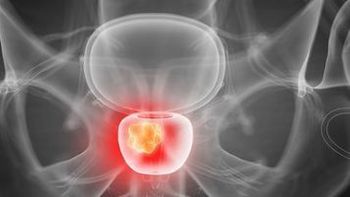
Now that there are 2 FDA-approved PSMA-PET imaging agents, urologists and other clinicians are asking about the differences between them, as well as how PSMA-PET imaging compares to the previously approved next-generation imaging agent fluciclovine F 18.

“I'm basically highlighting some of the data that's currently out there, but more importantly, some of the data that [are] just emerging,” says Steven A. Kaplan, MD.
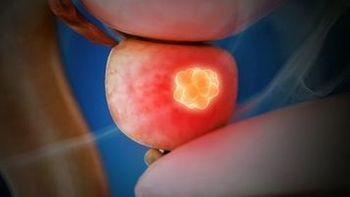
At the 2021 LUGPA Annual Meeting, Steven Rowe, MD, PhD, discussed the paradigm-shifting emergence of PSMA-PET imaging in prostate cancer.

As health care reform and payment policies evolve, LUGPA is ensuring that independent urologists have a strong voice in Washington and the resources they need to sustain successful practices, said Richard G. Harris, MD, LUGPA president, at the association’s 2019 annual meeting in Chicago.

Private equity firms’ acquisition of physician practices has escalated in recent years, and urology practices are currently garnering great interest due to an increased demand for services from an aging population and a low supply of urologists.

Having four generations of physicians working in the same practice is both a blessing and a significant source of complications, said Haydn Shaw, CSP, at the LUGPA annual meeting in Chicago.


Independent urologists provide the same quality of care for men on active surveillance for prostate cancer as urologists in largely academic settings, compared with prior studies, according to research presented at LUGPA’s 2019 annual meeting in Chicago.

Jeb Bush touched on a range of issues in health care and politics and shared a few personal anecdotes about his famous family with LUGPA members at the association’s annual meeting in Chicago.

A two-part grant is designed to provide guidance on gaps in existing guidelines on the management of advanced prostate cancer, Neal D. Shore, MD, reported at the LUGPA annual meeting in Chicago.