
Opinion|Videos|January 6, 2026
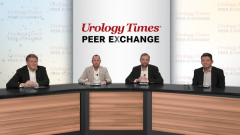
Combination Therapy and Treatment Adherence Strategies in mCSPC
Healthcare professionals discuss patient selection, treatment strategies, and compliance tools for managing advanced prostate cancer effectively.
Advertisement
Episodes in this series
This segment focused on strategies to individualize treatment and sustain adherence among patients with metastatic castration-sensitive prostate cancer (mCSPC). Panelists emphasized that long-term success depends not only on selecting the right regimen—whether doublet or triplet—but also on maintaining tolerability and compliance. Treatment selection continues to hinge on patient-specific factors such as comorbidities, frailty, fall risk, fatigue, and genetic profile, with decisions often guided by practical experience and nuanced drug characteristics. To support adherence, clinicians discussed the value of frequent patient touchpoints through in-house pharmacies, chronic care teams, and proactive symptom management. Interventions like addressing fatigue, mitigating hot flashes, and encouraging physical activity were cited as essential for sustaining therapy. Ultimately, the panel underscored a multidisciplinary “village” approach to optimizing long-term outcomes in mCSPC management.
Panelists noted that abiraterone, apalutamide, and enzalutamide demonstrate overall survival benefits, while darolutamide primarily delays progression. They discussed side-effect profiles and monitoring needs—highlighting the need for liver function monitoring and steroid co-administration with abiraterone—and emphasized that treatment selection often depends on balancing efficacy, toxicity, and clinician comfort.
Advertisement
Related to this article

Engy Habashy, MD, discusses key takeaways from the 2025 AUA GSM guideline, including the role of androgens and hormonal therapies in managing genitourinary syndrome of menopause.

Chad R. Ritch, MD, MBA, FACS, discusses how PSMA-PET informs staging, treatment planning, recurrence workup, and the interpretation of equivocal findings.

Michael S. Cookson, MD, MMHC, FACS, discusses how Anktiva’s expanded FDA approval may broaden bladder-preserving treatment options for BCG-unresponsive papillary-only NMIBC.

Jeffrey M. Spier, MD, discusses how fatigue may impact patient quality-of-life and when dose reduction may be an appropriate treatment strategy.

This approval expands the perioperative use of pembrolizumab plus enfortumab vedotin to all patients with MIBC, regardless of cisplatin eligibility.
Take a look through some of the notable data presentations at this year's ESMO Congress.
The investigational HIF-2α inhibitor casdatifan demonstrated antitumor activity as monotherapy and in combination regimens across the ARC-20 platform study.

The agency issued a PDUFA target action date of June 14, 2027.
Advertisement
Advertisement
Trending on Urology Times
1
European Commission approves perioperative pembrolizumab plus enfortumab vedotin for MIBC
2
FDA accepts new drug application for UGN-103 in recurrent LG-IR-NMIBC
3
Michael Cookson, MD, reacts to Anktiva’s expanded approval in NMIBC
4
ESMO 2026: Key presentations across genitourinary oncology
5