
Opinion|Videos|December 15, 2025
Identifying the Ideal Patient for Doublet versus triplet in mCSPC
Identifying the Ideal Patient for Doublet versus triplet in mCSPC
Advertisement
Episodes in this series
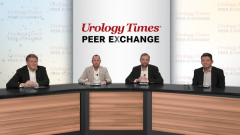
In this segment, panelists discussed the clinical and genomic factors that guide escalation from doublet to triplet therapy in metastatic castration-sensitive prostate cancer (mCSPC). They agreed that while doublet therapy remains standard for most patients, select cases—particularly those with high-volume disease, visceral metastases (especially liver), de novo presentation, or specific genomic alterations such as PTEN or TP53 loss—may warrant triplet intensification. Emerging tools like PSA dynamics and genomic classifiers (e.g., Decipher) were cited as potential future guides for tailoring therapy. Panelists also emphasized the importance of assessing patient fitness and willingness for chemotherapy, noting that treatment choice should balance clinical benefit with patient preference. They highlighted that triplet therapy—typically ADT plus ARPI plus docetaxel—may offer greater benefit for aggressive disease biology, but patient selection remains nuanced. The discussion underscored the need for biomarkers and prospective data to better define who truly benefits from intensification.
Panelists noted that abiraterone, apalutamide, and enzalutamide demonstrate overall survival benefits, while darolutamide primarily delays progression. They discussed side-effect profiles and monitoring needs—highlighting the need for liver function monitoring and steroid co-administration with abiraterone—and emphasized that treatment selection often depends on balancing efficacy, toxicity, and clinician comfort.
Advertisement
Related to this article

Engy Habashy, MD, discusses key takeaways from the 2025 AUA GSM guideline, including the role of androgens and hormonal therapies in managing genitourinary syndrome of menopause.

Chad R. Ritch, MD, MBA, FACS, discusses how PSMA-PET informs staging, treatment planning, recurrence workup, and the interpretation of equivocal findings.

Michael S. Cookson, MD, MMHC, FACS, discusses how Anktiva’s expanded FDA approval may broaden bladder-preserving treatment options for BCG-unresponsive papillary-only NMIBC.

Jeffrey M. Spier, MD, discusses how fatigue may impact patient quality-of-life and when dose reduction may be an appropriate treatment strategy.

This approval expands the perioperative use of pembrolizumab plus enfortumab vedotin to all patients with MIBC, regardless of cisplatin eligibility.
Take a look through some of the notable data presentations at this year's ESMO Congress.

The investigational HIF-2α inhibitor casdatifan demonstrated antitumor activity as monotherapy and in combination regimens across the ARC-20 platform study.

The agency issued a PDUFA target action date of June 14, 2027.
Advertisement
Advertisement
Trending on Urology Times
1
European Commission approves perioperative pembrolizumab plus enfortumab vedotin for MIBC
2
FDA accepts new drug application for UGN-103 in recurrent LG-IR-NMIBC
3
Michael Cookson, MD, reacts to Anktiva’s expanded approval in NMIBC
4
ESMO 2026: Key presentations across genitourinary oncology
5