Articles by Urology Times staff

“There is great interest in looking at all these targeted interventions in the earlier stages to lower the burden of care that patients go through and to some degree that urologists and other health care professionals in this in this realm go through,” says Surena F. Matin, MD.

“It's a system that is still not being used to its maximum capability, which is exciting. That means we can continue evolving,” says Jaschar Shakuri-Rad, DO, FACOS.

"I think in terms of the 2 large tool sets we have, biomarker testing through urine or blood tests and imaging. I think both are only going to get better," says Jeffrey Tosoian, MD, MPH.

“What we find here was that of the patients who had FGFR3 alterations, 67% of them had tumors that responded,” says Surena F. Matin, MD.

Kevin M. Wymer, MD, highlights 11 studies in stone disease being presented at the 2024 American Urological Association Annual Meeting.

Dean S. Elterman, MD, MSc, FRCSC, highlights several studies in BPH being presented at the 2024 AUA Annual Meeting.
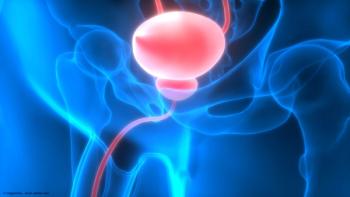
"And [3 out of 5] of those patients who were initially deemed to go on to nephroureterectomy were able to be converted to endoscopic management," says Surena F. Matin, MD.

Adam B. Weiner, MD, highlights several studies in prostate cancer set to be presented at the upcoming 2024 American Urological Association Annual Meeting.

"Within this paper, we discussed the importance of conservative management and lifestyle modifications as initial steps in managing BPH," says Eiftu S. Haile, MD.

In this final iteration of a 3-part series, Shawn H. Marhamati, MD, MS, shares initial insights into benefits of Aquablation in an ASC environment.

Karine Tawagi, MD, highlights several studies in bladder cancer being presented at the 2024 American Urological Association Annual Meeting.

"Alpha-blockers are often, for patients, the first line of treatment because they help quickly relax the smooth muscles in the bladder and the prostate," says Eiftu S. Haile, MD.
"For those who do enucleations, I think I would encourage people to highly consider adopting an apical release technique if they haven't," says Daniel J. Heidenberg, MD.
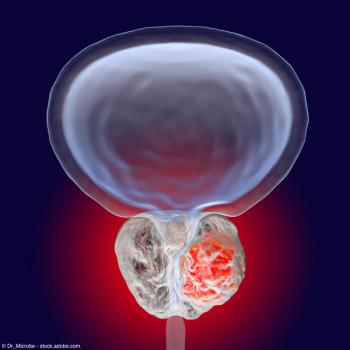
"Prostate radiotherapy is obviously widely available, inexpensive, generally [with] a mild toxicity profile. So I think it's a reasonable option in that scenario in patients who present with de novo low-volume disease," says , Scott Morgan, MD, MSc, FRCPC.
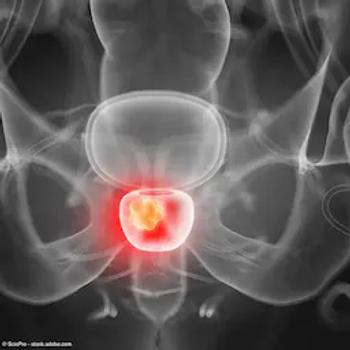
"The advance of PSMA imaging has put an emphasis on multidisciplinary care," says Kenneth J. Pienta, MD.

In this second iteration of a 3-part series, Shawn H. Marhamati, MD, MS, highlights the experiences and data that supported the trial of Aquablation in an ASC setting.
"I think that this field is going to continue to evolve, especially when we think about how to incorporate PSMA-PET findings into our clinical care," says Todd M. Morgan, MD.

"I think the greatest implication the study has is that it tells us that family history and germline genetics independently provide complementary information that's important for risk stratification of localized prostate cancer," says Keyan Salari, MD, PhD.

"We can also look at the timing of exposure to urology. Does early exposure spark interest in urology, or does delayed introduction to the field hinder the consideration of the specialty?" says Ashley Appleton.

"In my view, at present in patients that have low-volume oligometastatic de novo metastatic prostate cancer, it's really an unknown whether comprehensive SBRT or other local therapy directed at oligomets improves survival," says Scott Morgan, MD, MSc, FRCPC.

In this first video of a 3-part series, Shawn H. Marhamati, MD, MS discusses a pilot trial of Aquablation in an ASC setting and highlights the benefits of the therapy.

"A key piece of the guideline is that we need to offer radiation at a PSA of 0.5 ng/mL or lower and maybe even, for some patients, a PSA lower than 0.2 ng/mL," says Todd M. Morgan, MD.
"In terms of the minimal overlapping toxicity, our non-clinical data from the xenograft model showed minimal toxicity with the combination," says Caroline Foxton, PhD.

"What we found is that over a third of patients, 36%, had positive family history of either prostate, breast, or pancreatic cancer. And if you had this type of a family history, there was nearly a two-fold risk of dying of prostate cancer in the long term," says Keyan Salari, MD, PhD.

"In our analysis, the highest ranked treatment strategy was the combination of standard of care systemic therapy, an AR pathway inhibitor, and prostate radiotherapy," says Scott Morgan, MD, MSc, FRCPC.

"I don't think anybody, at least in our Mayo Clinic practices, is ever doing anything other than apical release HoLEPs these days," says Daniel J. Heidenberg, MD.

“The da Vinci 5, or DV5, system is the next evolution of robotic surgery,” says Jaschar Shakuri-Rad, DO, FACOS.

"I think the main question is just how to disseminate this information. Obviously, there's a huge need," says Megan S. Bradley, MD.

"Participating in AUA guidelines is really an exciting time," says Todd M. Morgan, MD.

"At the medical student level, we can provide early exposure to urology to make sure that these students feel properly equipped to apply to urology when that time comes and get adequate exposure to the field," says Ashley Appleton.
