


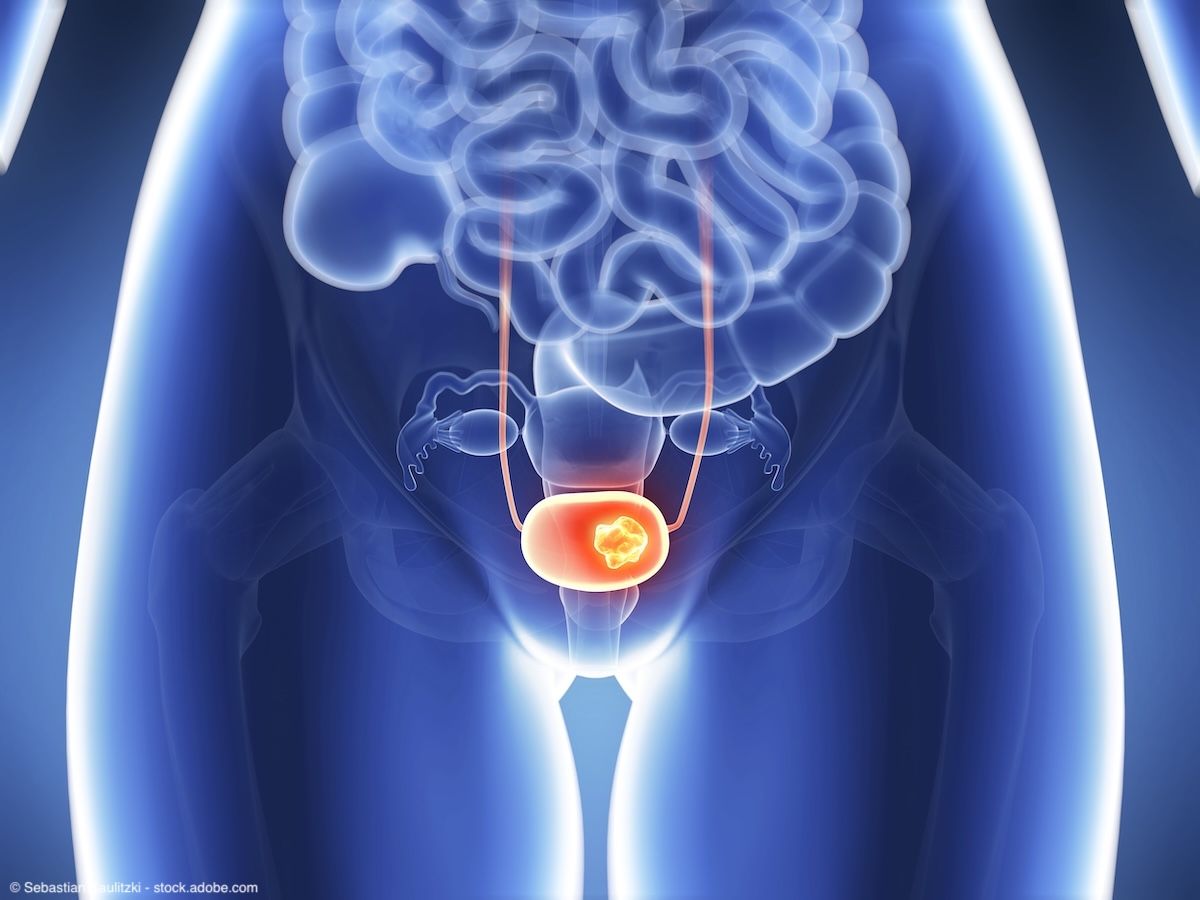



Bladder Cancer
Latest News
Advertisement
Latest Videos







CME Content


Advertisement
More News

The data continue to support adjuvant nivolumab as a standard of care for patients with high-risk muscle-invasive urothelial carcinoma.

“With 5 years of follow-up, median overall survival is longer with nivolumab vs placebo on interim analysis," said Matthew D. Galsky, MD.
"The addition of perioperative durvalumab to neoadjuvant chemotherapy significantly improved event-free survival and overall survival without adversely affecting patient-reported outcomes,” said Michiel van der Heijden, MD, PhD.

Data from the phase 3 ALBAN trial showed that atezolizumab plus BCG did not improve EFS compared with BCG alone.

Andrea Necchi, MD, highlights data on neoadjuvant nivolumab plus visugromab in MIBC
Published: | Updated:
Andrea Necchi, MD, shares key findings from the phase 2 GDFather-NEO trial, presented at ESMO 2025.

Apolo highlighted the positive topline results from the phase 3 EV-303 trial (NCT03924895) evaluating EV plus pembrolizumab in cisplatin-ineligible patients with muscle-invasive bladder cancer.

"My pragmatic takeaway is that for patients who experience spasm or leak despite anticholinergics, this is a great thing to consider," says Mark D. Tyson II, MD, MPH.

The addition of radiation after surgery improved clinical outcomes while not increasing severe late toxicity in this setting.
The review summarizes results from the OPTIMA II, ATLAS, and ENVISION trials.

Here’s a look back at notable news between July and September 2025.

Joy Maulik, CRNP, speaks with J. Brandon Arruda, APRN, AGNP-C, CUNP, about the evolving role of advanced practice providers in urology.

We recap notable headlines from last month in the urologic oncology space.

A recap of the FDA submissions and regulatory decisions in urology from September 2025.

Chad A. Reichard, MD, outlines key findings from the CREST trial, evaluating the combination of sasanlimab plus BCG in patients with high-risk BCG-naïve NMIBC.

Shreyas S. Joshi, MD, MPH, discusses some of the key considerations for new agents entering the treatment landscape for BCG-unresponsive NMIBC.

A comprehensive guide to the key regulatory decisions and conferences slated for the last few months of the year.
Apolo also discusses the potential role of ctDNA in the bladder cancer space.

Take a look through the key trials investigating BCG/ICI combinations in BCG-naïve NMIBC.


Several experts share their thoughts on the impact of the gemcitabine intravesical system for BCG-unresponsive NMIBC.
Sia Daneshmand, MD, discusses evolving care strategies after enfortumab vedotin plus pembrolizumab in bladder cancer.
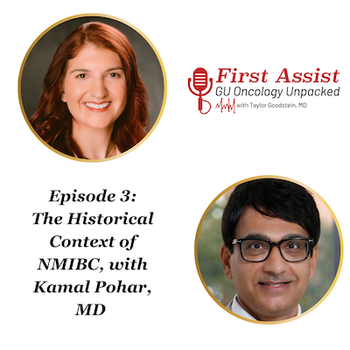
Among the topics covered are BCG dosing and maintenance regimens.
John P. Sfakianos, MD, discusses the significance of urine-based biomarkers for intermediate-risk patients and outlines key findings from the STRATA study.
Tom Jayram, MD, discusses rationale for selective FGFR3 inhibition in bladder cancer as well as what’s needed to bring this treatment modality into routine clinical practice.

Apolo emphasized the value of having robust monotherapy data before advancing into combination strategies.
Advertisement
Advertisement
Trending on Urology Times
1
AI-generated profiles impersonate female urologists to market ED products online
2
Alternative BCG strains may help address ongoing supply challenges in NMIBC
3
Doublet or triplet? Urologists weighs in on mCSPC options
4
Pearls & Perspectives: Sexual Health and Intimacy in Midlife, With Karen Bigman, MBA
5