
All News
Advertisement
Also learn about patient-focused bladder cancer guidelines, a new vaginal ring pessary for pelvic organ prolapse, and more.
Advertisement

“Our finding that about a third of patients had some evidence of spermatogenesis in the testes at the time of bilateral simple orchiectomy indicates that there is at least some fertility potential in these patients," says Tristan Nicholson, MD, PhD.
Dietary and social habits can have a significant impact on urinary health, according to four studies presented at the 2019 AUA annual meeting.

Findings of an exclusive Urology Times survey raise questions about the safety of urologic practice.

Urologists face a significant risk of on-the-job pain and injury, an exclusive Urology Times survey has found.
Advertisement

"We are now slowly gaining the trust of the transgender community (estimated 1.6 million in the U.S. by 2015 census) and systematically developing knowledge in transgender and gender non-binary health care," writes Polina Reyblat, MD.

"Based on their lines of questioning, it was apparent the defendant’s attorney wanted me to sit on the jury and the plaintiff’s attorney did not," writes Urology Times Content Channel Director Richard R. Kerr.
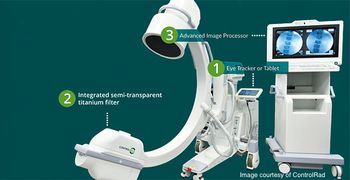
Also read about an expanded indication for a magnetic surgical system, new consumer sexually transmitted disease lab tests, and more.

"Practicing medicine is difficult enough these days without doing things to enrich innovation-stifling lawyers," writes Jack Francis, MD.
Advertisement
In this video, Eric S. Rovner, MD, discusses the importance of midurethral slings for the treatment of stress urinary incontinence.
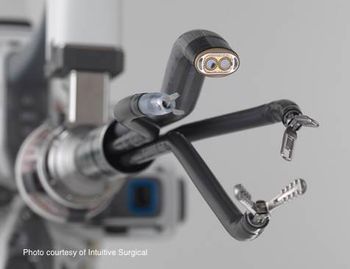
Newer instruments minimize incisions, incision size, and financial impact.

Burnout suggests a problem with providers themselves; a new term may be needed.
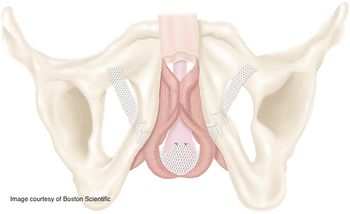
Also read about a new at-home fertility test and sperm storage kit, a first-in-category assay for Mycoplasma genitalium, and more.

In this interview, Richard Santucci, MD, discusses current trends in urologic trauma/reconstruction as well as the promise of penile transplantation.
A 35-year-old male from Sudan was hospitalized with a right obstructing 1-cm ureteral stone seen on KUB. The KUB also revealed curvilinear calcification in the bladder wall. The patient was taken to the operating room for ureteroscopy and laser lithotripsy. During cystoscopy, a rim of calcification was seen along the right ureteric ridge. What is the diagnosis?

In advance of this year’s AUA annual meeting, Urology Times asked members of our editorial board to choose the top presentations in their subspecialty.

“Clearly, the doctor has to. Then the question is, does the patient own the records as well? I would say the patient owns the record too-so I would say both,” says one urologist.

"There are better ways to manage people’s medical problems with drugs, especially in routine urologic care. I just don’t agree with marijuana," says one urologist.

In this interview, Jim Kovarik, PA-C, discusses the role of advanced-practice providers in a urology practice, how they are trained, and what procedures they can and should perform.
Current prescribing practices after urologic procedures may be leading to a substantial oversupply of opioids in the community, amounting to millions of unused pills every year, results of a recent survey suggest.
While the relative value units associated with urologic procedures are generally in line with the surgical complexity and outcomes associated with them, there are four outliers that may warrant a closer look, results of a recent investigation show.
About half of postoperative visits to emergency rooms following urologic surgery could be prevented, but simply improving patient education may not significantly reduce the number of these visits, researchers say.
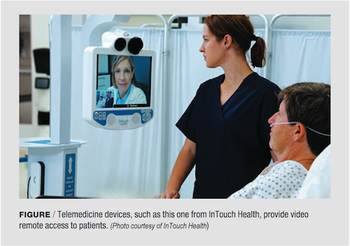
AI is poised to revolutionize use of medical data, but challenges remain.
"I warn my patients to get their medications at a pharmacy here in the U.S., but there’s not a whole lot I can do once they have the prescription in hand," says one urologist.
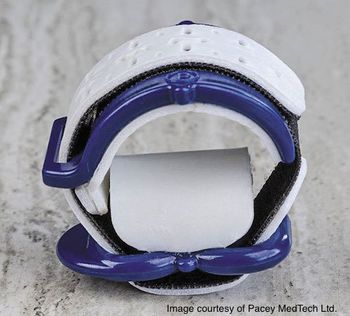
Also learn about a new stone device, an at-home testosterone enanthate injection, and more.
Recent survey results suggest that the AUA urethral stricture guidelines have made a positive impact and the management of urethral stricture disease continues to shift from endoscopic treatment to open surgical repairs.

A 24-year-old male is seen in the emergency room for complaints of bilateral testicular pain for the past several weeks.
J. Quentin Clemens, MD, explains how the annual AUA Census and the AUA Quality Registry (AQUA Registry) benefit practicing urologists.
Advertisement
Advertisement
Trending on Urology Times
1
FDA approves sildenafil oral film for men with erectile dysfunction
2
Integration of doublet and triplet therapy in metastatic prostate cancer
3
The UroOnc Minute: Adjuvant Therapy in Renal Cell Carcinoma, with Brian Shuch, MD
4
Sarah Azari, MD, on early sexual health education for women with bladder cancer
5