
Treatment for overactive bladder (OAB) improves OAB symptoms similarly in frail and nonfrail older patients with no difference in side effects, according to a multi-institutional study presented at the AUA annual meeting in Chicago.
Treatment for overactive bladder (OAB) improves OAB symptoms similarly in frail and nonfrail older patients with no difference in side effects, according to a multi-institutional study presented at the AUA annual meeting in Chicago.

A randomized trial found no difference between single-use polyvinylchloride (PVC) catheters and reused PVC catheters for patients with neurogenic bladder due to spina bifida.

"Patient perception is an important aspect of developing an effective treatment plan, and we should be able to arm patients with accurate data to help them make an informed decision," write Whitney Renee Smith, MD, and Gopal H. Badlani, MD.

In this interview, Sandip Vasavada, MD, discusses the rationale behind the recent amendment to the AUA/SUFU guideline for overactive bladder, the role of OAB drugs in the treatment of nocturia, and treatment of refractory OAB.

Patients with urologic conditions have easy access to stem cell therapy options offered by a spectrum of providers at locations that vary from strip mall clinics to academic centers. But while there’s hope that cell-based therapies might not only treat symptoms but also modify diseases, including erectile dysfunction, the scientific evidence to show therapies using any stem cells work and don’t cause harm is lacking.

As the number of patients who receive onabotulinumtoxinA (onabotA [Botox]) injections for overactive bladder increases, so does the age of this population and their associated comorbidities. This raises the question: Is the use of onabotA in patients who are taking anticoagulant or antiplatelet medication safe?

"Clearly, we are overprescribing and in some cases very seriously overprescribing nationally-regardless of procedure," says study author Jennifer A. Robles, MD.
In this video, Sandip Vasavada, MD, of the Center for Female Urology and Reconstructive Pelvic Surgery, Cleveland Clinic, explains how the recently updated AUA/SUFU clinical guideline for overactive bladder helps urologists treat the condition.

The AUA/CUA/SUFU guide focuses on a combination of symptoms and positive cultures.

Sacral neuromodulation placement in a single-stage procedure is likely to be less costly than a two-stage approach for most practitioners, according to the findings of a cost minimization analysis.

"Future research with urologist involvement, to isolate confounding factors and consider serum level variability and other hormone effects, will be useful," writes Priya Padmanabhan, MD, MPH.

A recent study shows older women with decreased levels of serum testosterone are more likely to experience incontinence, but this does not necessarily mean urologists should be giving testosterone to older women, a study author says.

Are dip tests needed for onabotulinumtoxinA (onabotA [Botox]) bladder procedures when no symptoms of urinary tract infection are present? A recent study presented at the AUA annual meeting in Chicago suggests the answer may be no.
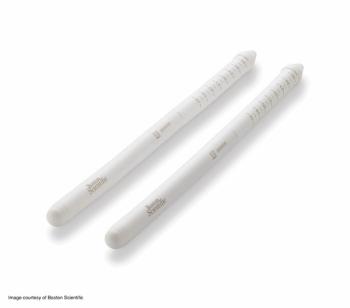
The prosthesis utilizes natural-feeling dual-layer silicone and includes a Nitinol core to optimize comfort, rigidity, and durability for effective penetration and concealment, according to Boston Scientific.
Consistent with Allena’s prior clinical experience, enteric hyperoxaluria patients treated with reloxaliase in Study 206 demonstrated a substantial treatment effect.

Earlier in 2019, the AUA and the Society of Urodynamics, Female Pelvic Medicine & Urogenital Reconstruction published a joint guideline on the subject of incontinence after prostate treatment. In this interview, Jaspreet S. Sandhu, MD, a member of this guideline’s panel, explains the rationale behind the guideline and summarizes its key points.

Also learn about patient-focused bladder cancer guidelines, a new vaginal ring pessary for pelvic organ prolapse, and more.

“Our finding that about a third of patients had some evidence of spermatogenesis in the testes at the time of bilateral simple orchiectomy indicates that there is at least some fertility potential in these patients," says Tristan Nicholson, MD, PhD.
Dietary and social habits can have a significant impact on urinary health, according to four studies presented at the 2019 AUA annual meeting.
Findings of an exclusive Urology Times survey raise questions about the safety of urologic practice.

Urologists face a significant risk of on-the-job pain and injury, an exclusive Urology Times survey has found.

"We are now slowly gaining the trust of the transgender community (estimated 1.6 million in the U.S. by 2015 census) and systematically developing knowledge in transgender and gender non-binary health care," writes Polina Reyblat, MD.

"Based on their lines of questioning, it was apparent the defendant’s attorney wanted me to sit on the jury and the plaintiff’s attorney did not," writes Urology Times Content Channel Director Richard R. Kerr.

Also read about an expanded indication for a magnetic surgical system, new consumer sexually transmitted disease lab tests, and more.

"Practicing medicine is difficult enough these days without doing things to enrich innovation-stifling lawyers," writes Jack Francis, MD.
In this video, Eric S. Rovner, MD, discusses the importance of midurethral slings for the treatment of stress urinary incontinence.
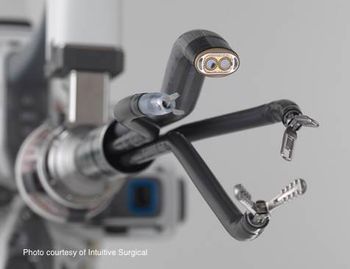
Newer instruments minimize incisions, incision size, and financial impact.

Burnout suggests a problem with providers themselves; a new term may be needed.
Also read about a new at-home fertility test and sperm storage kit, a first-in-category assay for Mycoplasma genitalium, and more.