In this interview, Richard Santucci, MD, discusses current trends in urologic trauma/reconstruction as well as the promise of penile transplantation.
In this interview, Richard Santucci, MD, discusses current trends in urologic trauma/reconstruction as well as the promise of penile transplantation.

A 35-year-old male from Sudan was hospitalized with a right obstructing 1-cm ureteral stone seen on KUB. The KUB also revealed curvilinear calcification in the bladder wall. The patient was taken to the operating room for ureteroscopy and laser lithotripsy. During cystoscopy, a rim of calcification was seen along the right ureteric ridge. What is the diagnosis?

In advance of this year’s AUA annual meeting, Urology Times asked members of our editorial board to choose the top presentations in their subspecialty.

“Clearly, the doctor has to. Then the question is, does the patient own the records as well? I would say the patient owns the record too-so I would say both,” says one urologist.

"There are better ways to manage people’s medical problems with drugs, especially in routine urologic care. I just don’t agree with marijuana," says one urologist.
In this interview, Jim Kovarik, PA-C, discusses the role of advanced-practice providers in a urology practice, how they are trained, and what procedures they can and should perform.
Current prescribing practices after urologic procedures may be leading to a substantial oversupply of opioids in the community, amounting to millions of unused pills every year, results of a recent survey suggest.
While the relative value units associated with urologic procedures are generally in line with the surgical complexity and outcomes associated with them, there are four outliers that may warrant a closer look, results of a recent investigation show.
About half of postoperative visits to emergency rooms following urologic surgery could be prevented, but simply improving patient education may not significantly reduce the number of these visits, researchers say.
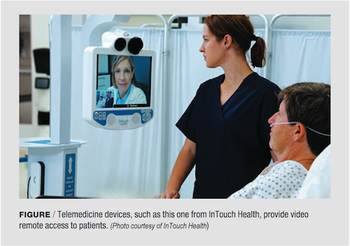
AI is poised to revolutionize use of medical data, but challenges remain.
"I warn my patients to get their medications at a pharmacy here in the U.S., but there’s not a whole lot I can do once they have the prescription in hand," says one urologist.
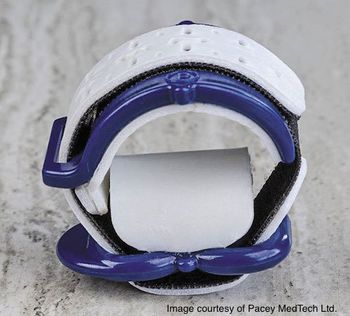
Also learn about a new stone device, an at-home testosterone enanthate injection, and more.
Recent survey results suggest that the AUA urethral stricture guidelines have made a positive impact and the management of urethral stricture disease continues to shift from endoscopic treatment to open surgical repairs.
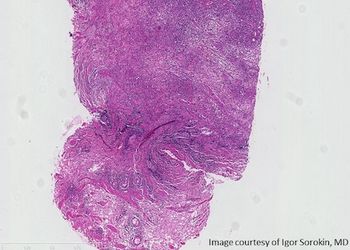
A 24-year-old male is seen in the emergency room for complaints of bilateral testicular pain for the past several weeks.
J. Quentin Clemens, MD, explains how the annual AUA Census and the AUA Quality Registry (AQUA Registry) benefit practicing urologists.

More than one-fourth of urologists say they have specific plans to retire within the next 2 years. An ongoing drop in reimbursement, feeling burned out, and government mandates are the primary factors affecting when they will retire, according to the 13th annual Urology Times State of the Specialty survey.
Patients at greatest risk of complications from opioids are older than 65 years, male, obese, have used opioids prior to surgery, or have elevated comorbidity index scores, according to Francis J. McGovern, MD.
Strong evidence has emerged in recent years suggesting opioid prescribers, including well-meaning urologists, have helped to fuel a national crisis and opioid addiction epidemic.
In this interview, J. Quentin Clemens, MD, discusses the work being done by the MAPP (Multidisciplinary Approach to Chronic Pelvic Pain) Research Network and LURN (Symptoms of Lower Urinary Tract Dysfunction Research Network) research initiatives.
Bacteriuria in patients using clean intermittent catheterization is a significant problem that can lead to overuse of antibiotics. J. Quentin Clemens, MD, of the University of Michigan, Ann Arbor, discusses when to treat and when not to treat these patients.

In this Urology Times Q&A, Jessica Nelson, MPAS, PA-C, past president of the Urological Association of Physician Assistants, offers a physician assistant’s perspective on PAs performing urologic procedures, PA training, and more.
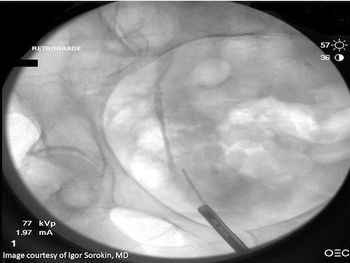
Igor Sorokin, MD, presents the case of a woman with a history of microhematuria and two positive cytologies for urothelial carcinoma. Ureteroscopy on the right side reveals three lesions.
“Florida, specifically South Florida, is a very tough place to practice. There’s a fairly prominent infiltration of Medicare HMOs with a lot of obstruction to doing anything for the patient that’s necessary," says one urologist.
“A decade ago it was rare to have advanced practice providers as part of routine urologic care. Now they’re integral and a necessary part of any active urologic practice,” says Bradley A. Erickson, MD, MS.
A comparison of autologous fascial pubovaginal and synthetic midurethral slings and a study examining onabotulinumA (Botox) injections in the elderly population were among other female urology take-homes from AUA 2018.
Optimize patient identification by following these steps.
Personally tailored intervention generates patient interest, QoL improvements.
Benefit evident regardless of metastasis site, phase III analysis shows.
~40% of sipuleucel-T recipients in lowest PSA quartile alive after 5 years.