
Opinion|Videos|January 14, 2025
Advancements in BCG-Unresponsive NMIBC and the Impact of Trial Results and Long-Term Follow-Up
Author(s)Max Kates, MD
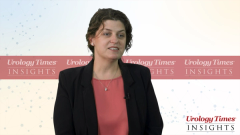
Max Kates, MD, discusses how early complete response rates exceeding 50% at 3 months with newer therapies are encouraging, though long-term follow-up remains critical for evaluating durability of response and establishing real-world effectiveness compared with clinical trial outcomes.
Advertisement
Episodes in this series


- Data for newer therapies have shown that more than 50% of patients with BCG-unresponsive NMIBC experience a complete response after just 3 months of treatment. What are your thoughts on these findings?
- How do these clinical trial outcomes compare to what you see in your clinical practice when treating patients with newer therapies?
- Discuss the importance of long-term follow-up for patients receiving these newer treatments.
- What is your experience in terms of durability of response?
Advertisement
Related to this article

Carlos A. Vargas, MD, discusses updated survival outcomes, safety, and the mechanism of SYNC-T SV-102, an investigational in situ immunotherapy for metastatic prostate cancer.
Perioperative durvalumab (Imfinzi) plus neoadjuvant enfortumab vedotin-ejfv (Padcev) cut the risk of EFS events by 49% and death by 42% in cisplatin-ineligible MIBC.

The PROTEUS substudy addresses a key limitation of the main study, which had no surgery-alone control arm.
At a median follow-up of 60.9 months, median EFS was 74.1 months in the pembrolizumab arm and not reached in the placebo arm.
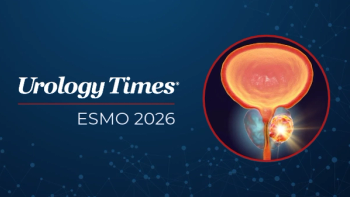
The phase 1/2 CELC-G-201 study found preliminary antitumor activity and manageable toxicity with gedatolisib plus darolutamide in metastatic castration-resistant prostate cancer.
Kim Chi, MD, FRCPC, discusses the rationale and design of the phase 3 KLK2-comPAS trial evaluating pasritamig alone and in combination with JNJ-9401 in patients with mCRPC.

Longer-term findings from the phase 2 ARACOG study suggest differences in objectively measured cognitive function between ARPIs.

Engy Habashy, MD, discusses key takeaways from the 2025 AUA GSM guideline, including the role of androgens and hormonal therapies in managing genitourinary syndrome of menopause.
Advertisement
Advertisement
Trending on Urology Times
1
VOLGA: Durvalumab plus enfortumab vedotin improves EFS, OS in MIBC
2
PROTEUS Substudy: Perioperative apalutamide plus ADT improves EFS vs surgery alone
3
In situ immunotherapy shows encouraging survival findings in prostate cancer
4
KLK2-comPAS trial explores dual T-cell engagement in mCRPC
5