

Sandip M. Prasad, MD, MPhil, outlines 3 key takeaways from the ENVISION trial, which evaluated mitomycin for intravesical solution in patients with LG-IR-NMIBC.
Sandip M. Prasad, MD, MPhil, outlines 3 key takeaways from the ENVISION trial, which evaluated mitomycin for intravesical solution in patients with LG-IR-NMIBC.

Many clinicians do not explain how the consultation will unfold or clearly define the respective roles of physician and patient.
Rana R. McKay, MD, FASCO, details the key efficacy and safety findings from the phase 2 COMRADE trial.
Rian J. Dickstein, MD, provides an overview of detalimogene voraplasmid, currently being evaluated for the treatment of non–muscle invasive bladder cancer.

Timothy D. McClure, MD, offers his thoughts on how future advancements will inform the role for focal therapy in prostate cancer.

Jennifer A. Robles, MD, MPH, discusses the future for HoLEP in terms of innovation and wider integration into urologic practice.
Sandip M. Prasad, MD, MPhil, discusses the safety profile for mitomycin for intravesical solution based on data from the ENVISION trial.

Avani Desai emphasizes that inadequate or unclear parental leave policies carry significant consequences, particularly during residency.
Kevin Shee, MD, PhD, shares findings on factors associated with recurrence and treatment failure following HIFU for prostate cancer.

The tool is designed as a patient-facing application that can be used both during clinic visits and independently at home.
Daniel Canter, MD, shares his thoughts on the potential impact of 89Zr-girentuximab for kidney cancer management, if approved.
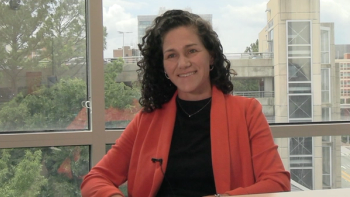
Kathryn H. Gessner, MD, PhD, outlines the clinical scenarios in which she finds genomic testing most useful.

Nicolette G. Payne, MD, pointed to the critical role of leadership and institutional culture in addressing burnout.

Ultimately, Desai argues, increasing transparency in policies is not only about compliance but about fostering resident well-being and inclusivity.
Joseph Song, MD, discusses his approach to patient selection for the SURE procedure, particularly in comparison to more invasive options such as PCNL.

Jennifer A. Robles, MD, MPH, highlights the impact of regional disparities in HoLEP access on patient care.

Timothy D. McClure, MD, outlines key findings from the PRESERVE trial, which evaluated IRE for prostate tissue ablation in patients with intermediate-risk prostate cancer.
Sandip M. Prasad, MD, MPhil, details key findings from the phase 3 ENVISION trial, which supported the approval of mitomycin intravesical solution in LG-IR-NMIBC.

Suzanne B. Merrill, MD, FACS, unpacks key findings from the CREST trial and outlines data of interest from the POTOMAC and PATAPSCO trials, which are set to read out later this year.

Aleece Fosnight, MSPAS, PA-C, CSC-S, CSE, IF, MSCP, HAES, emphasizes a careful, individualized approach to managing bladder and bowel symptoms in women with a history of disordered eating.

Jennifer A. Robles, MD, MPH, outlines 3 key factors that may be preventing more widespread adoption of HoLEP across the US.

Urologists from the University of North Carolina share insights into key advancements across the field of urologic oncology.

Timothy D. McClure outlines his approach to patient selection with focal therapy as well as how NanoKnife fits into that landscape.

Sandip M. Prasad, MD, MPhil, shares his thoughts on the impact of the FDA approval of mitomycin for intravesical solution for patients with LG-IR-NMIBC.
Jennifer A. Robles, MD, MPH, highlights potential factors contributing to the surge in HoLEP utilization across the US.

Suzanne B. Merrill, MD, FACS explains the challenges with BCG monotherapy and the emergence of novel regimens combining BCG with ICIs in high-risk NMIBC.

Timothy D. McClure, MD, discusses focal therapy with IRE, specifically highlighting its benefits and limitations compared with other treatment options.

Policy availability varied by specialty, with urology leading in program-specific policies—yet still only at 11%.

Jansen underscores the need for urologists to go beyond symptom treatment and focus on identifying root causes of testosterone deficiency.

Aleece Fosnight, MSPAS, PA-C, emphasizes that any patient presenting with urinary incontinence or related symptoms should be evaluated for pelvic floor dysfunction.