
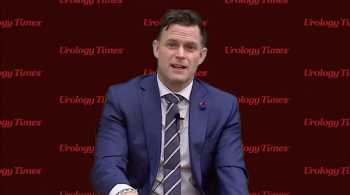
Kevin C. Zorn, MD, FRCSC, FACS, recaps the AUA 2025 session, “State-of-the-Art Lecture: Preservation of Ejaculatory Function with BPH Treatments."
Kevin C. Zorn, MD, FRCSC, FACS, recaps the AUA 2025 session, “State-of-the-Art Lecture: Preservation of Ejaculatory Function with BPH Treatments."
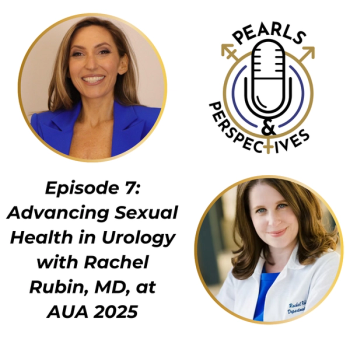
Rachel Rubin, MD, discusses advancements in sexual health education and guidelines at the AUA meeting.
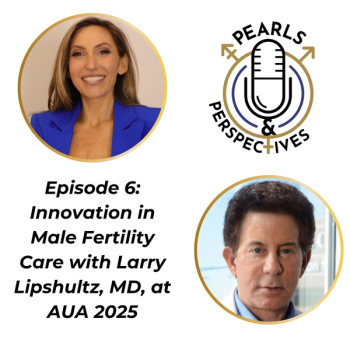
Discover groundbreaking insights in urology as Larry Lipshultz, MD, shares innovative research and strategies for male fertility challenges.

The investigators reported that ultra-low PSA responses “were associated with prolonged rPFS and delayed progression to mCRPC and PSA progression.”
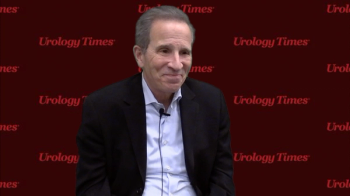
Neal D. Shore, MD, FACS, shares the background and key findings from the phase 3 CREST trial, exploring sasanlimab plus BCG for BCG-naive NMIBC.

The study population was able to avoid 952 cystoscopies and 70 CT scans, according to the investigators.
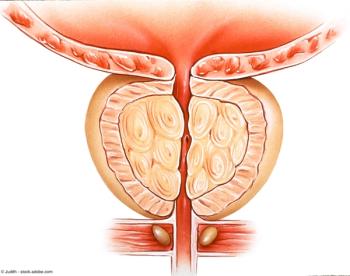
No device- or procedure-related serious AEs were observed through 12 months across the entire study population
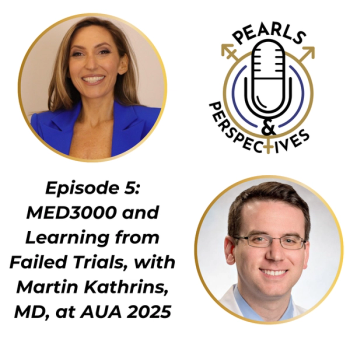
Kathrins discusses the intricacies of leading a clinical trial and why "negative" trials are important to informing care strategies.

The investigators reported that treatment with darolutamide reduced the risk of radiological progression or death by 49% in Black men.
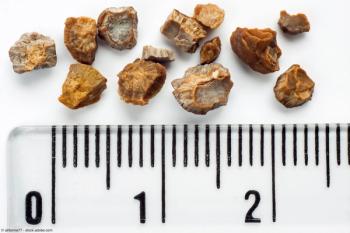
The investigators reported a median stone clearance of 96.44%.
Vitaly Margulis, MD, shares his insights on initial data from the phase 3 ENLIGHTED trial.
New research reveals GLP-1 receptor agonists may enhance sperm counts in overweight men.
In cohort A, the cystectomy-free rate at 36 months was 84%.
This episodes explores the evolving role of GLP-1 medications in testosterone management and their impact on male sexual health and fertility.
More than 80% of patients in both groups had a full recovery of testosterone.
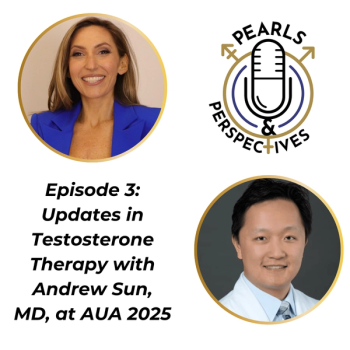
Andrew Sun, MD, joins Pearls & Perspectives to discuss innovative approaches to testosterone therapy for enhanced health outcomes.
"I would argue that UGN-102 may very well represent a well-tolerated alternative to TURBT as primary treatment for patients with low-grade disease,” says Sandip M. Prasad, MD, MPhil.
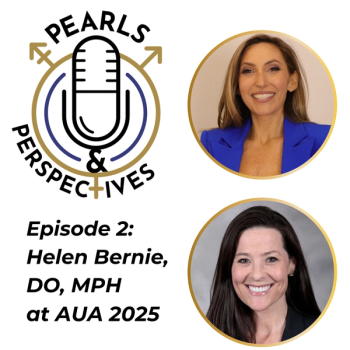
Helen Bernie, DO, MPH, joins the show to discuss data from her Indiana University team from the floor at AUA 2025.

A phase 3 trial reveals a combination therapy for premature ejaculation significantly enhances treatment outcomes.
Joseph Jacob, MD, outlines key findings on TAR-200 monotherapy from cohort 2 of the SunRISe-1 study.

"The decision for which laser to use in your institution should be left up to the urologist and the hospital system," says Margaret A. Knoedler, MD.

The investigators reported that the median Kaplan-Meier estimate of DOR was 24.2 months.

"97% [of patients] remain progression free, and 84.5% avoided cystectomy, highlighting cretostimogene’s bladder-sparing potential,” said Mark D. Tyson II, MD, MPH.


New research links higher drinking water contaminants to increased kidney stone risk.

“In the patients with CIS, the probability of a continued complete response at 36 months was 92% vs 67.7%," said Neal D. Shore, MD, FACS.


A groundbreaking male contraceptive shows promising safety results, offering a reversible option for couples seeking effective birth control.
Treatment with TARA-002 was associated with a 100% high-grade CR at any time in BCG-unresponsive participants.