




Prostate Cancer
Latest News
Advertisement
Latest Videos






CME Content







Advertisement
More News
In Urology Times’ monthly installment of Around the Practice, experts discuss adverse event management from various treatments for prostate and bladder cancer.
The updated data included 132 patients, all of whom had prior enzalutamide and/or abiraterone acetate.

"Either way the service is reported, the payer should require documentation be submitted for review prior to payment, and the use of the –52 on the 38571 will provide more appropriate guidance for reimbursement processing," write Jonathan Rubenstein, MD, and Mark Painter.

Looking back at the November 2020 installment of Urology Times’ Around the Practice, a virtual, monthly live case event focused on genitourinary cancers, Raoul S. Concepcion, MD, FACS, offers an update on clinical implications from two prostate cancer cases.
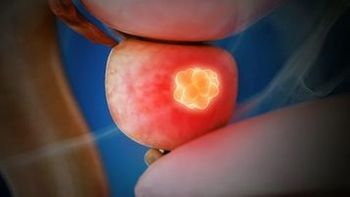
The PARP inhibitors olaparib and rucaparib are approved by the FDA for prostate cancer and other PARP agents are moving through the pipeline.

The targeted focal laser ablation system is intended to be an office-based treatment for localized prostate cancer delivered under local anesthesia.
Among the findings, the researchers identified a potential biomarker of ancestry-dependent treatment outcomes with hormone therapy.

“In this study, we show that AI can be used to speed up the time-consuming step of outlining the prostate that's required for targeted prostate biopsy,” says Geoffrey Sonn, MD.

Ultra-high single-dose radiotherapy demonstrated comparable efficacy and safety as curative hypofractionated stereotactic body radiotherapy.

The risk assessment tool helps determine whether a prostate biopsy is necessary when PSA screening is ambiguous.

This article reviews new imaging technologies that may improve early detection of biochemical recurrence after definitive treatment for prostate cancer. This article also features insights from oncology experts Raoul Concepcion, MD; Judd Moul, MD; Brian Helfand, MD; Munir Ghesani, MD.
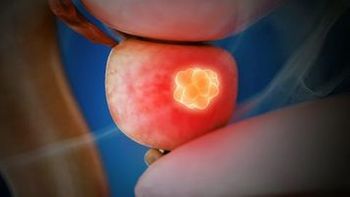
The final results of the pivotal TITAN trial “support the early addition of apalutamide to ADT for optimal therapeutic outcomes in patients with metastatic castration-sensitive prostate cancer,” the authors wrote.

Kretschmer highlights how ongoing research is aiming to optimize use of this noninvasive, urine-based genomic test.

"Three decades into prostate-specific antigen screening–detected prostate cancer, the prognostic and therapeutic impacts of various types of pelvic lymph node dissection remain unclear," writes Badar M. Mian, MD.

The ExoDx Prostate test helps physicians determine whether a prostate biopsy is necessary when PSA screening is ambiguous.
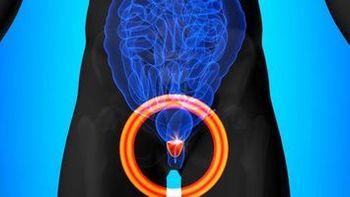
EPI-7386 previously received an FDA Fast Track Designation for patients with mCRPC resistant to standard-of-care treatments.

Role was highlighted in analysis of phase 3 PROSPER trial of enzalutamide in patients with nonmetastatic castration-resistant prostate cancer.
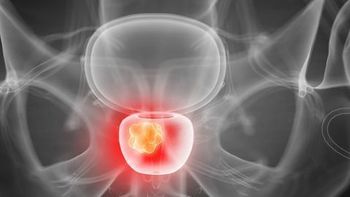
Stereotactic body radiotherapy was not associated with any dose-limiting toxicities.
Both forms of therapy are considered standard of care in prostate cancer; however, some data suggest that proton therapy may offer a safer alternative without sacrificing efficacy.
The NanoTherm therapy system is being explored for the focal ablation of intermediate-risk prostate cancer.

The vaccine was examined in a trial of patients with metastatic castration-resistant prostate cancer who were not responding to available therapies.
The genomic assay did not increase use of active surveillance in a predominantly African-American population of men with favorable-risk prostate cancer.
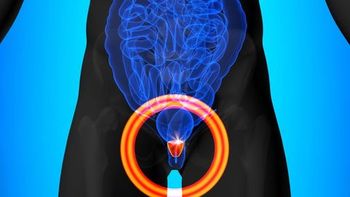
Exploration of the novel combination continues after early-phase published data showed promising clinical activity.

Around the Practice: Metastatic Castrate Resistant Prostate Cancer
A phase 3 trial has already been launched to build on these early results with the combination of the PARP inhibitor and androgen receptor inhibitor.
Advertisement
Advertisement